Visas & Permits
Sri Lanka Business Visa vs Work Visa: Stay Periods and Multiple Entry Travel

The key difference between Sri Lanka business visa and work visa arrangements is whether your activities after entry amount to employment or ongoing work. Business visits commonly cover meetings, site visits and commercial discussions; work-related arrangements involve providing services for a particular employer or project. Stay periods and multiple-entry rights must be confirmed from the conditions of the approved documents.
You may be dealing with a familiar situation: some team members need to visit Colombo to inspect office space, meet clients or coordinate suppliers, then return for further meetings. At the same time, a technical lead or manager may need to stay in Sri Lanka for an extended period to lead a local team. Both trips may be described internally as “business travel”, but the visa route, supporting documents and entry arrangements may not be the same. Treating a short business visit as a long-term work arrangement can create problems with extensions, return travel or on-site duties.
A common misunderstanding is that a multiple-entry business visa allows someone to enter Sri Lanka repeatedly and carry out long-term work. In practice, you need to distinguish between the number of permitted entries, the approved stay conditions for each entry, cumulative stay arrangements, and the activities carried out in Sri Lanka. Getting this wrong can disrupt travel plans and may require the staffing plan and project launch sequence to be reconsidered.
Refer to the latest requirements published by Sri Lanka’s immigration authority: Department of Immigration and Emigration. The sections below help you separate the key questions before speaking with an immigration professional, the local employer entity and project stakeholders.
Step One: What will you actually do in Sri Lanka?
What to do: Describe each foreign employee’s actual activities as specific tasks, rather than using broad labels such as “business visit” or “project support”. Attending client meetings, inspecting office premises, signing commercial documents, training a local team, managing staff on a day-to-day basis, and delivering services at a client site may raise different considerations.
Who is responsible: The head-office project lead should provide the role description and travel purpose. The Sri Lanka employer, project entity or appointed licensed professional should help review the applicable route.
Common issue: The job title is described too broadly. An invitation letter may state “meetings”, while the real plan includes long-term on-site presence, team supervision, operational sign-off or direct delivery work. When documents tell different stories, it becomes difficult to explain the purpose of the visit later.

How long can you stay on a business visa or work visa arrangement?
What to do: Do not begin with the question, “What is the maximum stay?” Confirm four separate points: the approved purpose of entry, the stay conditions after each entry, whether further residence or work-related procedures are required in Sri Lanka, and your intended departure and re-entry plan.
Business visa arrangements are generally associated with business activities over a limited period. Work visa arrangements need to be assessed together with the employment relationship, the local entity or project sponsor, the necessity of the role and residence arrangements. Two employees from the same company may need different handling because their roles, itineraries and employer arrangements differ.
Who is responsible: The employee’s department should confirm the work scope and expected presence in Sri Lanka. The local employer or project entity should confirm the supporting documents. A licensed immigration professional can provide application and extension guidance based on current requirements.
Common issue: The company plans the visa only around flight dates and does not consider project delays, trial operation periods, client acceptance or staff rotation in advance. By the time the employee is already in Sri Lanka, the next stage of stay or return travel may need to be reorganised.
How should you arrange multiple entries within one month?
What to do: If an employee needs to enter and leave Sri Lanka several times within a short period, prepare the full itinerary: arrival and departure dates for each trip, the purpose of each entry, any regional meetings in other countries, whether the employee needs to return to headquarters for internal matters, and what they will do when entering Sri Lanka again. Then confirm whether the approved arrangement covers the proposed travel pattern. Do not rely only on whether the visa document includes the words “multiple entry”.
Multiple entries do not automatically resolve all stay-related questions. You should also confirm whether the original declared purpose remains valid at each re-entry and whether updated invitation letters, employer evidence, return travel details or project explanations need to be carried. For employees already in a work visa-related process, confirm whether departure could affect subsequent residence or re-entry arrangements.
Who is responsible: The travel administrator or administrative team should compile the itinerary. The project lead should confirm the business necessity of each visit. An immigration professional can help check whether the entry and exit plan is consistent with the application documents.
Common issue: An employee changes flights at short notice, adds travel to a third country, or turns an originally short site visit into continuous on-site work without updating internal records and supporting documents.
What order should supporting documents be prepared in?
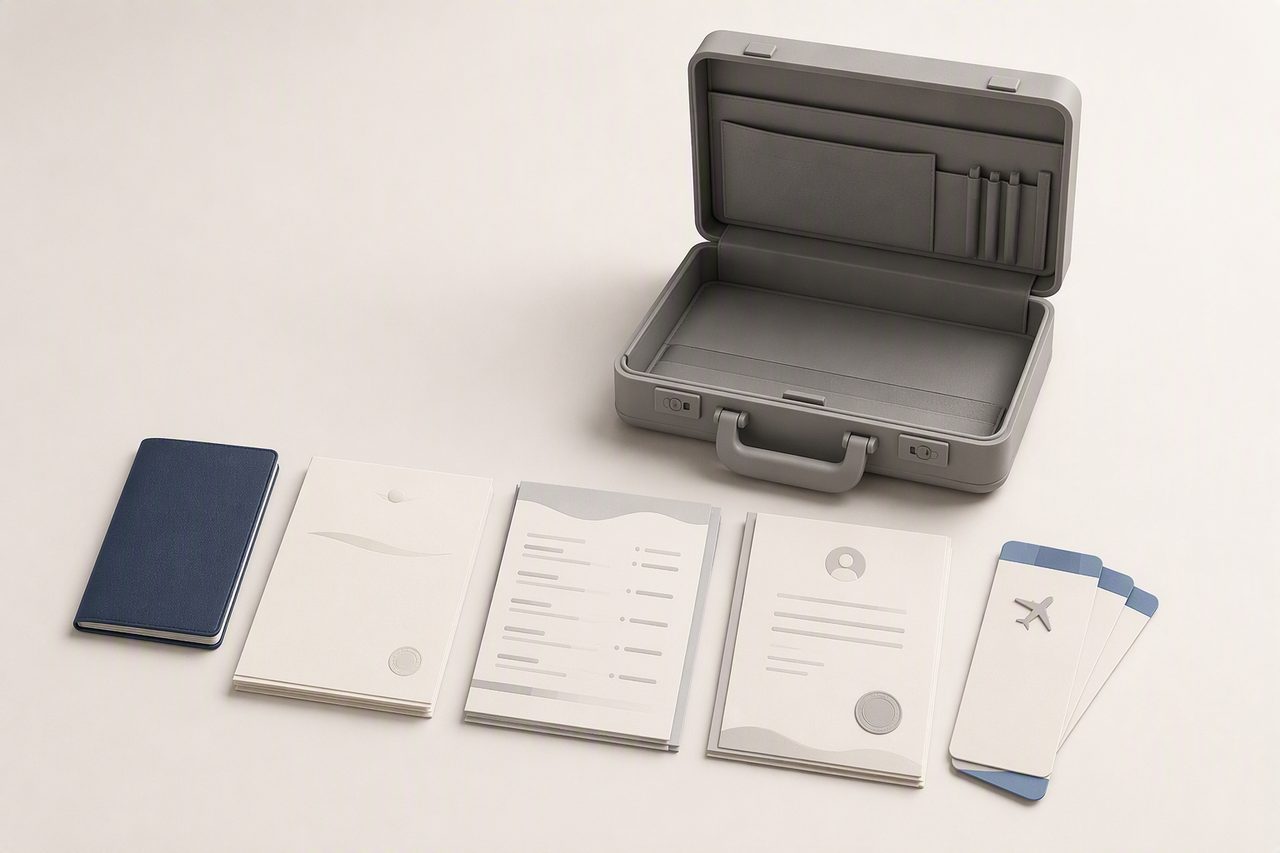
What to do: Create a reference sheet covering “person, role, itinerary and supporting documents”. Common preparation areas include passports and existing immigration documents, employer or inviter information, role and activity descriptions, project or meeting background, accommodation and travel details, and documents showing the relationship with the Sri Lanka entity. The exact document list should be confirmed for the individual case by the appointed professional.
Who is responsible: The employee provides personal documents. Headquarters provides employment, role and project information. The Sri Lanka entity or inviting party provides local supporting materials. The professional adviser reviews document format, submission requirements and any requests for additional information.
Common issue: Different document versions are used at the same time. The employee’s title, employer name, project name, arrival date or departure date may differ across documents, which can lead to clarification requests or delays.
What should be checked before departure?
What to do: Before each departure, check passport validity, the entry and stay conditions in approved documents, return or onward travel, local contacts and business supporting documents to be carried. If the employee’s role or itinerary has changed substantially, obtain professional advice before deciding whether to travel under the original arrangement.
Who is responsible: The employee confirms personal travel documents. The administrative team checks the itinerary. The project lead confirms that planned activities have not moved beyond the original scope. The local coordinator helps liaise with the relevant professionals and arrange necessary communication.
Common issue: The team treats a visa as a one-off administrative task. In reality, the employee’s activities after entry, employer relationship, extension needs and re-entry plans can all affect subsequent handling.
The most common mistake: mixing business activities with actual work
The question that needs to be separated early is not the visa label. It is what the employee will actually do each day in Sri Lanka.
If the person is attending short-term meetings, researching the market, visiting potential customers or discussing cooperation terms, the focus is generally whether the visit purpose matches the stay arrangement. If the person will take on long-term local team management, daily operations, technical delivery, customer service, on-site training or other continuing responsibilities, it is not appropriate to describe the role simply as a “business visit”.
Ask the project lead to answer these questions one by one:
- Will the employee be under the day-to-day direction of a Sri Lanka entity or project manager?
- Will the employee provide deliverable services in Sri Lanka on an ongoing basis?
- Does the employee need to be permanently on site, lead a team or sign operational documents?
- Is this a one-off short visit, or a resident responsibility necessary for project operations?
- If the employee leaves and later returns, will they continue the same on-site work?
These questions do not replace an immigration assessment. They can, however, make your employer letters, invitation documents, role descriptions and travel plans more consistent. For teams that need Chinese-language coordination, MMD Business Support can assist with clarifying personnel needs, document checklists, communication with local resources and project progress. Company registration, immigration applications and specific professional advice should be handled by appropriately qualified professional providers.
This article is for general information only and does not constitute legal, tax or immigration advice. Specific requirements should be confirmed with the relevant Sri Lanka authorities and the appointed licensed professional.
FAQ
- Can a Sri Lanka business visa be used for long-term on-site team management?
- This cannot be determined from the label “business visa” alone. The key factors are the activities you actually perform, the intended stay arrangement, the relationship with the employer or project entity, and the authority’s requirements for the relevant documents. If you plan to remain on site for an extended period, manage staff or participate continuously in project delivery, confirm the appropriate route with an appointed licensed immigration professional before travel.
- What should I prepare if I need to enter and leave Sri Lanka several times in one month?
- Prepare the arrival and departure dates for every trip, the purpose of each visit, meeting or project arrangements, the local inviting party and return travel plans. You should also confirm whether the approved documents apply to the proposed multiple-entry arrangement and whether updated supporting documents are needed at re-entry.
- How long can a work visa holder stay in Sri Lanka?
- Stay and residence arrangements depend on the individual’s approved documents and the requirements applicable at that time. You should not apply another employee’s experience directly to your case. Before applying, confirm the role, employer entity, expected duration of stay, possible extension needs and plans for re-entry after departure.
- Can an employee enter on a business visa first and later move to a work visa arrangement?
- This depends on the employee’s stated purpose of entry, actual activities, the subsequent application route and the authority’s requirements. You should not assume that an in-country change will always be available. If a project may move from a short assessment visit to long-term on-site work, explain the full plan before departure and ask an immigration professional to confirm the feasible sequence and document arrangements.
Related reading



Need this applied to your case?
Tell us your team size, industry and timeline — we will map the actual path for your project.
Contact us