Operations
Sri Lanka Procurement Authority Segregation of Duties
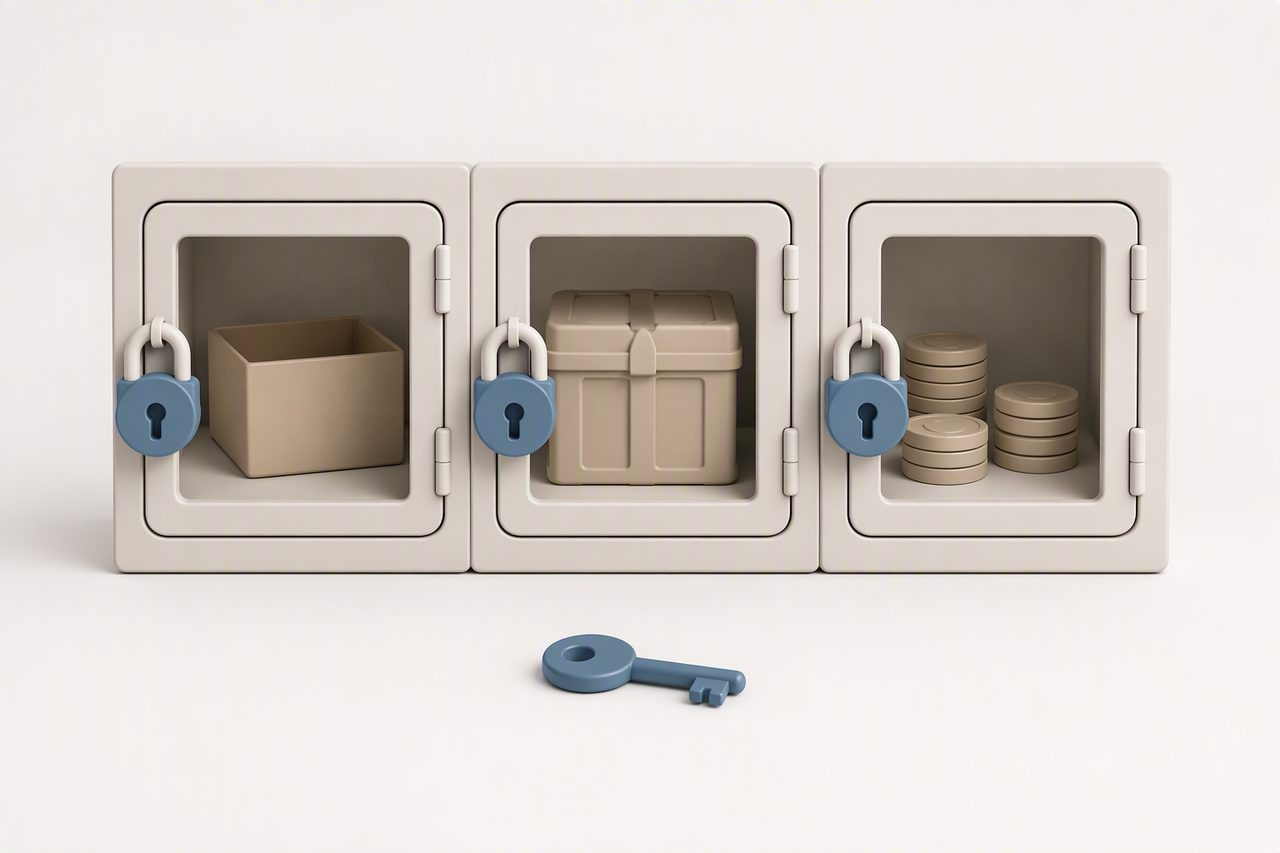
A local team needs procurement authority to support office setup, project delivery and day-to-day operations without unnecessary delay. However, one person should not be allowed to decide what to buy, select the supplier, confirm receipt and approve payment at the same time.
For overseas companies entering Sri Lanka, procurement controls should be established from the first routine purchase. Even where the local team is small, headquarters review, cross-checks between roles or periodic spot checks can help prevent one person from controlling the full process.
Separate Four Responsibilities Instead of Focusing Only on Payment Authority
Procurement risk often arises before the payment is made, when key decisions have not been independently checked. A complete procurement process should cover at least four responsibilities:
- Purchase request: State the business need, purpose, specifications, quantity, budget source and required delivery date.
- Sourcing or quotation collection: Gather supplier information, compare quotations, delivery terms, after-sales arrangements and alternatives, then document a recommendation.
- Receipt or acceptance: Confirm that goods, services or project deliverables have actually been provided and meet the agreed specifications and quantities.
- Payment approval and execution: Check that the request, purchase order or contract, acceptance record, invoice and payment details are consistent, then arrange approval and payment under the company’s authority framework.
These responsibilities may be assigned to different people. In a small team, some roles may be combined. However, the same person should not both raise the request, choose the supplier, confirm acceptance, initiate payment and approve that payment.

Use a Role Matrix to Clarify Ownership, Review and Visibility
A common issue for overseas headquarters is that the local team knows it is allowed to make purchases, but does not know which purchases require advance approval or what documents headquarters expects to see. Before authority is granted, prepare a one-page procurement responsibility matrix.
| Stage | Primary owner | Documents to submit or retain | Suggested independent reviewer |
|---|---|---|---|
| Purchase request | Requesting department or project lead | Business need, quantity, purpose, budget allocation | Department head or project lead |
| Supplier comparison | Procurement coordinator or administrator | Quotation records, supplier details, selection rationale | A person other than the requester |
| Ordering or contracting | Authorised person | Approved purchase order, contract or confirmation email | Authorised manager |
| Receipt of goods or service acceptance | User department or site lead | Goods receipt record, service confirmation, issue notes | A person other than the person placing the order |
| Invoice review and payment request | Finance or payment coordinator | Invoice, acceptance documents, payment request | Finance lead or headquarters-designated approver |
| Payment execution | Authorised bank user | Fully approved payment instruction | A person not involved in supplier selection or acceptance |
The matrix does not need to be complex. Each role should understand three points: what it may do, what it cannot do alone, and what documents it must pass to the next stage. Where headquarters and the local team are in different locations, the named owner, backup person and escalation route should also be recorded.
A Purchase Request Should Explain the Business Reason, Not Just the Item
The purchase request is the starting point for later controls. If it only says “buy office equipment” or “pay supplier charges”, headquarters may not be able to assess whether the expense matches a genuine business need or verify the result at the acceptance stage.
A workable request will usually include:
- The business purpose, such as office opening, client project delivery, employee onboarding or equipment maintenance;
- A description of the required goods or services, quantity and key specifications;
- The urgency of the purchase and the business impact of not proceeding;
- The relevant project, department or budget category;
- Whether the recommended supplier is an existing supplier and whether there is any related-party relationship or conflict of interest;
- Who will accept the delivery and what evidence will be used to confirm completion.
The requester does not necessarily need to source suppliers. Separating the business request from supplier selection helps reduce the risk of creating a purchase justification around a preferred supplier.
Supplier Selection Needs Both Comparison Logic and Documented Exceptions
Not every purchase requires a complex quotation exercise. Emergency repairs, specified-brand equipment, an existing framework service provider or client-directed procurement may leave limited scope for a full comparison. The key issue is not how many quotations are collected, but whether the team can explain why that supplier was selected.
Consider establishing two documentation routes for the local team.
Standard Procurement Route
This route applies where there is time to compare suppliers. The procurement coordinator should compile quotations, delivery terms, quality or service scope, payment terms and the selection rationale. A designated person should review the materials before the order is placed.
Exception Procurement Route
This route applies to urgent purchases, single-source purchases, continuing services or other situations where standard comparison is not practical. The requester should explain the reason for the exception, the business impact and whether alternatives were considered. The approver should confirm whether the purchase is a one-off exception or an arrangement that may continue.
An exception does not mean no records are required. On the contrary, exception purchases need clear documentation so that headquarters can understand the business judgement made at the time.

Acceptance Should Be Confirmed by the Person Closest to Actual Use
Many companies treat a supplier invoice as evidence that delivery has occurred. An invoice only shows that the supplier has requested payment; it does not replace internal acceptance. The acceptance person should be able to assess whether the goods, services or project output meet the agreed requirements. This is often the user department, site lead or project manager.
An acceptance record can be simplified depending on the nature of the purchase, but it should answer the following questions:
- What was actually received or delivered;
- Whether the quantity, model, service scope or deliverables match the request or order;
- Whether there are missing items, damage, delays, incomplete work or disputes;
- If there is an issue, whether payment should be delayed, partly withheld or further delivery requested from the supplier;
- Who confirmed acceptance and when.
For recurring services, such as cleaning, equipment maintenance, consulting support or outsourced services, acceptance should not be completed only once at the start of the contract. The business user can confirm whether the relevant period’s services were actually delivered in line with the agreed service cycle.
Match the Documents Before Payment, Not Only the Amount
A payment approver does not need to reassess the underlying business need. However, the approver should confirm that the payment documents form a complete and consistent record. In practice, this means reviewing the request, purchase order or contract, acceptance record and invoice together.
Before payment, the team can check:
- Whether the payment relates to an approved purchase request;
- Whether the supplier name, beneficiary details and invoice information match the confirmed records;
- Whether the requested goods or services have been accepted, or whether the payment is consistent with an agreed payment milestone;
- Whether there are differences in amount, currency, payment terms or payee;
- If there are differences, whether there is written explanation and appropriate approval;
- Whether the payment would exceed the relevant internal budget or project authority.
Bank users should execute payments based on fully approved payment instructions, rather than supplier reminders, instant messages or verbal requests. If a supplier changes its bank account details, an individual other than the original contact should independently confirm the change through the company’s established channels and retain a record of that confirmation.
Reducing Single-Person Control Risk in a Small Team
At an early stage, a local team may be too small to separate every role fully. For example, an administration lead may both collect quotations and place orders, while a finance employee may prepare payment documents and submit bank instructions. In such cases, priority should be given to separating the most important control points.
Possible arrangements include:
- A business lead confirms the procurement need and acceptance, while an administrator handles quotations and ordering;
- Local finance prepares the payment package, while a headquarters-designated person reviews key payments;
- A person not involved in supplier selection periodically spot-checks procurement files and goods receipt records;
- Additional review is required for new suppliers, unusual payments, related-party purchases or repeated emergency purchases;
- Backup approvers are designated for leave, departures or emergencies, with their authority and scope defined in advance;
- The team periodically reviews repeated purchases from the same supplier, split purchases and frequent changes to beneficiary details.
The objective is not for headquarters to become involved in every small invoice. It is to enable headquarters to identify higher-risk matters and intervene promptly when exceptions arise.
Run a Procurement Process Test Before Go-Live
Before formal authority is granted, select one office supplies purchase, one service purchase and one urgent purchase for a process simulation. Ask the requester, procurement coordinator, acceptance person, finance team and headquarters approver to submit their documents through the proposed process. Check whether any of the following issues arise:
- The request is too vague to assess whether the purchase is necessary;
- No one is responsible for explaining the supplier selection;
- The acceptance person does not know what they are expected to confirm;
- Payment documents are scattered across messaging tools, emails and paper files;
- Approvers can see only the amount, not the procurement background or delivery status;
- The local team does not know how to escalate an urgent purchase.
Issues identified during a process test often reveal operational risk more clearly than a policy document alone. After the first operating cycle, the company can review exception purchases, delayed deliveries and returned payments, then update the responsibility matrix and document checklist.
Connection with Advance Payment Controls
Separating request, acceptance and payment responsibilities applies to routine purchases and service expenses. Where a purchase involves advance payment to a supplier, the company should also assess payment milestones, delivery safeguards and the risk of non-delivery. For further reading, see “How Foreign-Invested Projects Can Approve Supplier Advance Payments and Avoid Funds Being Tied Up or Delivery Controls Failing”.
This content is provided for general information only and does not constitute legal, tax or immigration advice. Specific requirements should be confirmed based on the latest guidance from the relevant Sri Lankan authorities and duly engaged licensed professionals.
FAQ
- Our local team has only two or three people. Do we still need to separate procurement and payment duties?
- Yes. A small team may not be able to assign every step to a different person, but business-need confirmation, actual acceptance and payment review should at least operate as separate checks. Headquarters can also take on part of the review role.
- If a supplier requests urgent payment, can we pay first and complete the purchase request afterwards?
- It is not advisable to use urgency as a routine reason to bypass the process. A company can create an exception route for urgent purchases, where a designated person explains the reason and retains approval records. The procurement background, acceptance and payment documents should still be completed after payment.
- Who is best placed to accept services provided by a supplier?
- This should normally be the person who uses the service, manages the site or can assess the quality of the deliverables. Finance can check whether documents are complete, but should not replace the business user in deciding whether the service was genuinely completed.
- Should headquarters approve every local purchase in Sri Lanka?
- Not necessarily. A more practical approach is to define matters requiring headquarters review based on the nature of the purchase, its risk level and the company’s internal authority arrangements. These may include new suppliers, exception purchases, related-party purchases, changes to payment details or higher-value expenditure.
Related reading



Need this applied to your case?
Tell us your team size, industry and timeline — we will map the actual path for your project.
Contact us