Company Registration
Sri Lanka BOI Project Plan Change Review

Once a BOI project has been approved, changes to the investment scale, business activities, project location or staffing plan should not be treated as purely internal commercial decisions. Before signing new contracts, making payments, relocating, hiring or launching new activities, review the original approval documents and project commitments, then confirm with the relevant professional advisers and authorities whether an explanation, filing, consent or amendment may be required.
A project change will not necessarily prevent the business from proceeding. The key question is whether the change affects commitments already made. Rather than trying to predict whether an adjustment will be accepted, the project company should create a traceable change-review record: what was originally committed, what is now proposed, which documents and actions may be affected, and who is responsible for obtaining external confirmation.
Bring together the basis for approval
The risk in many projects is not the absence of documents, but the fact that documents are scattered among the headquarters team, local company, advisers, zone management or different business owners. Before discussing any change, create a project document pack and appoint one internal owner to maintain version control.
The document pack will commonly include:
- The BOI approval letter, agreement, or correspondence relating to project eligibility;
- The business plan, investment description and business activity description used for the project application;
- Company registration documents, shareholder and director information, and authorisation documents;
- Lease, purchase, construction, zone-entry or address-use documents for the project location;
- Signed or proposed contracts for equipment procurement, services, financing, customer delivery and suppliers;
- Recruitment plans, organisation charts, expatriate arrangements and local employee role plans;
- A list of industry licences already obtained, under application, or potentially required;
- Written records of previous communications with the BOI, other authorities and professional advisers.
Do not review only the first page of an approval document or the project name. Identify wording concerning business activities, investment composition, project location, implementation timing, staffing arrangements, imports, exports or other operating conditions, and compare each item with the current plan.

Four types of changes that need priority review
1. Changes to investment scale, use of funds or asset allocation
Common adjustments include reducing the initial investment, reallocating budget from equipment to software or services, changing the purchasing entity, investing in phases, or having an affiliated party bear part of the project cost. The first step is to clarify whether the project documents describe total investment, specific assets, funding sources, or a particular implementation arrangement, and whether the new plan can still be aligned with that description.
Internal review should not focus on amounts alone. Record what the funds will be used for, who will make payment, who will own the assets, whether they will be used for the approved project, and how payment and delivery evidence will be retained. If procurement contracts have already been signed or deposits paid, also check whether the contracting party, delivery location and invoice information can be supported by the project documentation.
2. Changes to business scope, customer model or revenue source
Descriptions such as “moving from trading to services,” “shifting from local sales to exports,” or “adding warehousing, repairs, training or platform operations” may appear to be commercial refinements. In practice, they may change the project’s business boundaries and the licence requirements that need to be considered.
The business owner should prepare a one-page note covering:
- The business activities covered by the currently approved project;
- Activities proposed to be added, removed or replaced;
- Customer locations, delivery locations and the payment flow;
- Whether goods imports or exports, warehousing, transport, data processing, regulated products or third-party distribution are involved;
- Which company, team and premises will actually carry out the new activities.
This note should first be reviewed by the engaged licensed legal, tax or sector adviser. Communications with the relevant authorities can then be coordinated based on that advice. The existence of a registered company does not automatically mean that all new business activities may begin immediately. For related considerations, see the published article, Why Company Registration Does Not Mean You Can Immediately Carry Out Every Business Activity.
3. Changes to the project site, office, factory or warehouse arrangements
If a project moves from one city, zone or office address to another, or changes from dedicated premises to a shared office, third-party warehouse or delivery at a customer site, the administrative team should not simply replace the lease. The project team should also check whether the location is consistent with project documents, practical operating conditions, employee deployment and applicable industry licensing requirements.
Prepare a location change note that states, at a minimum, the former and new locations, intended use, commencement date, lease or right-of-use basis, on-site team, equipment or inventory arrangements, and whether the change affects addresses shown on external documents. For addresses already in use, avoid prolonged inconsistencies between the registered address, contract address, invoice address, delivery address and actual operating address.
Where the project also involves a change of registered address, the article What Registrations and Licences Should Be Reviewed After a Company Relocates or Changes Its Registered Address? can be used to build a follow-up checklist.
4. Changes to recruitment plans, key roles and expatriate arrangements
Staffing arrangements in project documents are often directly linked to the project’s ability to commence operations. A project company may reduce initial roles, delay recruitment, use outsourced teams, or add expatriate managers because of budget, delivery timing or recruitment challenges. Such changes should be reviewed from four perspectives at the same time: project commitments, employment arrangements, visa coordination and actual job responsibilities.
Do not submit only a change in headcount. Explain which roles are being changed, whether they will be performed by local employees or external service providers, when personnel will start, who will manage them, and whether expatriates will perform day-to-day roles for the local entity. Where candidates have not yet been identified, internal planning can be based on roles and responsibilities without committing to named individuals.
Use a change-impact table to determine the communication sequence
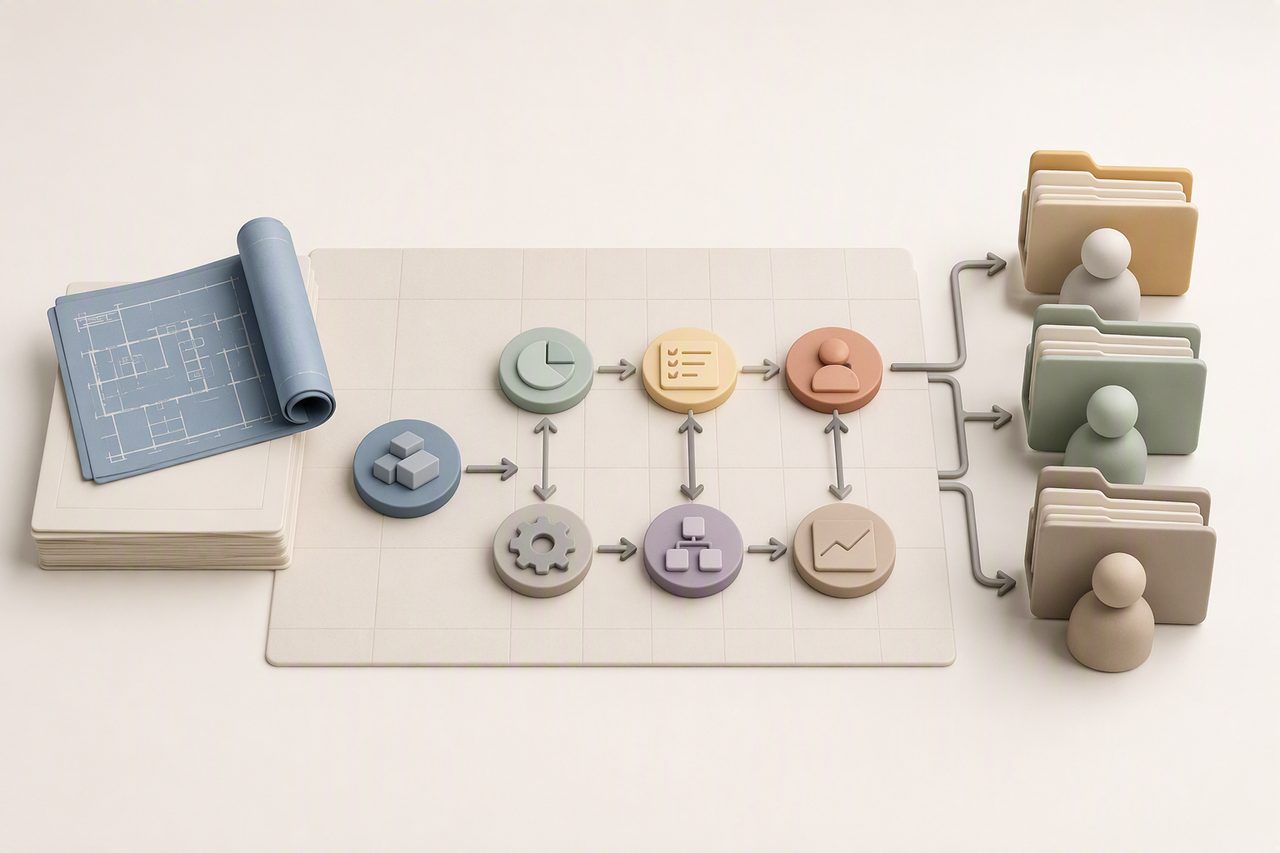
Before communicating externally, create an internal change-impact table. This helps prevent different teams from giving inconsistent explanations to different institutions.
| Review item | Questions to record | Internal owner |
|---|---|---|
| Original project commitments | How do the original documents describe this matter? Are there supporting attachments or correspondence? | Project lead |
| Proposed change | What will change, why, and when is implementation planned? | Business lead |
| Actions already taken | Have contracts been signed, payments made, premises leased, staff hired or external announcements issued? | Finance and operations lead |
| External impact | Could the change affect BOI arrangements, company documents, licences, tax, labour or immigration matters? | Professional adviser coordinator |
| Communication materials | What explanations, contracts, budgets, address records or role information should be prepared? | Project coordinator |
| Implementation decision | Which actions should be paused until written advice is received? | Management |
The purpose of this table is not to replace an approval assessment. It enables management to see clearly which changes have already occurred, which can still be adjusted, and which require written confirmation first. For material changes, retain meeting minutes, version-controlled plans and external communication records so that the timing and rationale for the change can be explained later.
Four common mistakes to avoid: acting first and explaining later
First, treating a budget change as a finance-only matter. If the use of funds, asset allocation or payment entity differs materially from the original plan, financial records alone may not replace a project-level explanation.
Second, informing only the landlord, supplier or employees without reviewing the project documents at the same time. Preparing supporting material after operations have already changed will usually increase the effort needed to reconstruct facts and coordinate stakeholders.
Third, allowing sales or operations teams to expand business descriptions independently. Quotations, website content, contract scope and customer delivery arrangements may all be relevant evidence of actual business activities. They should remain consistent with the confirmed project scope.
Fourth, treating verbal discussions as final confirmation. Where project commitments may be adjusted, retain written question lists, responses, submission versions and internal decision records wherever possible. If there is uncertainty or disagreement, ask the engaged licensed professional adviser to review the specific documents further.
Suggested internal sequence
When management proposes a material adjustment, the company can proceed in the following order: first pause actions that may create irreversible consequences; then collect the original project documents and current factual information; prepare a one-page change note and impact table; ask the relevant licensed professional advisers which authorities may need to be consulted; and finally update contracts, budgets, addresses, recruitment plans and project timelines based on written advice.
The BOI website can be a starting point for checking public information and locating official communication channels: Board of Investment of Sri Lanka. The procedures, materials and authority requirements for any specific change should be assessed against the documents applicable to the project, the latest requirements of the relevant authorities and advice from the engaged professional advisers.
This content is provided for general information only and does not constitute legal, tax or immigration advice. Specific requirements should be confirmed against the latest guidance from the relevant Sri Lankan authorities and engaged licensed professional advisers.
FAQ
- If the investment amount is reduced, is a new BOI approval always required?
- A conclusion should not be based on the amount change alone. First review how the approval documents, project agreement and submitted materials describe the investment composition and implementation arrangements. The engaged professional adviser should then confirm whether an explanation, submission or other arrangement with the relevant authorities may be needed.
- Can we change offices after project approval and deal with BOI matters later?
- It is not advisable to treat a location change as only an administrative or leasing matter. Before signing a new lease or moving actual operations, review the project location, registered address, actual delivery location and any potentially relevant licensing requirements, and retain records of the related communications and documents.
- Our original plan was to hire local employees, but we now plan to use an outsourced team. What could this affect?
- Compare the staffing plan in the original project with the new workforce model. Clarify which responsibilities remain with the local entity, which will be performed by external service providers, and whether labour, personnel, visa or project implementation arrangements may also be affected. Do not assess the change only by total headcount.
- We have already signed a contract for new business and now believe the scope may differ from the original plan. What should we do next?
- First organise the contract scope for products or services, customer locations, delivery method, payment arrangements and actual operating entity, then compare these with the original project documents. For elements not yet performed or still capable of adjustment, seek written professional advice before further implementation and coordinate subsequent external communications.
Related reading



Need this applied to your case?
Tell us your team size, industry and timeline — we will map the actual path for your project.
Contact us