Tax
Sri Lanka Subsidiary Repatriation and Retained Funds

Cash in a subsidiary’s bank account does not mean all of it can be remitted to the overseas head office immediately. Before deciding on a dividend or other transfer, you need to answer three questions: whether the amount is distributable profit, whether sufficient funds will remain for local operations, and what supporting evidence the bank and professional advisers will need to see.
A common assumption is that if the company reports a year-end profit, it can simply declare a dividend. In practice, problems often arise because accounting profit, bank balances, available working capital and distributable amounts are treated as if they were the same thing. The transfer itself may not be the difficult part. Inconsistencies are more likely to appear in board resolutions, financial statements, tax treatment, bank payment explanations or a later audit.
Do not decide the amount first: separate the funds into three layers
Before planning a profit repatriation, it is useful for headquarters and the Sri Lanka team to prepare a simple funding allocation schedule. It does not replace legal, tax or audit advice, but it gives everyone a shared basis for decision-making.
| Funding layer | Questions to answer | Common supporting records |
|---|---|---|
| Essential operating funds | How much cash will be needed over the next operating cycle for payroll, rent, suppliers, taxes, imports or project expenditure? | Cash-flow forecast, payment schedule, payroll records, contracts, purchase orders |
| Risk-buffer funds | Are there slow collections, incomplete customer acceptance, foreign-exchange exposure or unexpected repair costs? | Accounts receivable ageing, project progress records, contractual payment terms |
| Funds potentially available for distribution | After operating and compliance-related payments are covered, is there appropriately confirmed distributable profit? | Management accounts, annual financial statements, audit materials, tax reconciliation records |
The key point is that a bank balance shows where cash is held; it is not, by itself, a basis for declaring a dividend. The company may have cash on hand, but part of it may already relate to unpaid taxes, employee costs, supplier invoices, performance costs linked to customer advances, or project expenditure that is about to fall due.
If the subsidiary is in a growth phase, “not paying a dividend yet” should not be treated as no decision at all. Retained funds should have a clear intended use, such as supporting operating cash flow, purchasing equipment, increasing inventory, opening an office, hiring the first local roles or funding a new project. The clearer the purpose, the easier it is for headquarters to explain why the funds were retained and to review later whether they were used as planned.
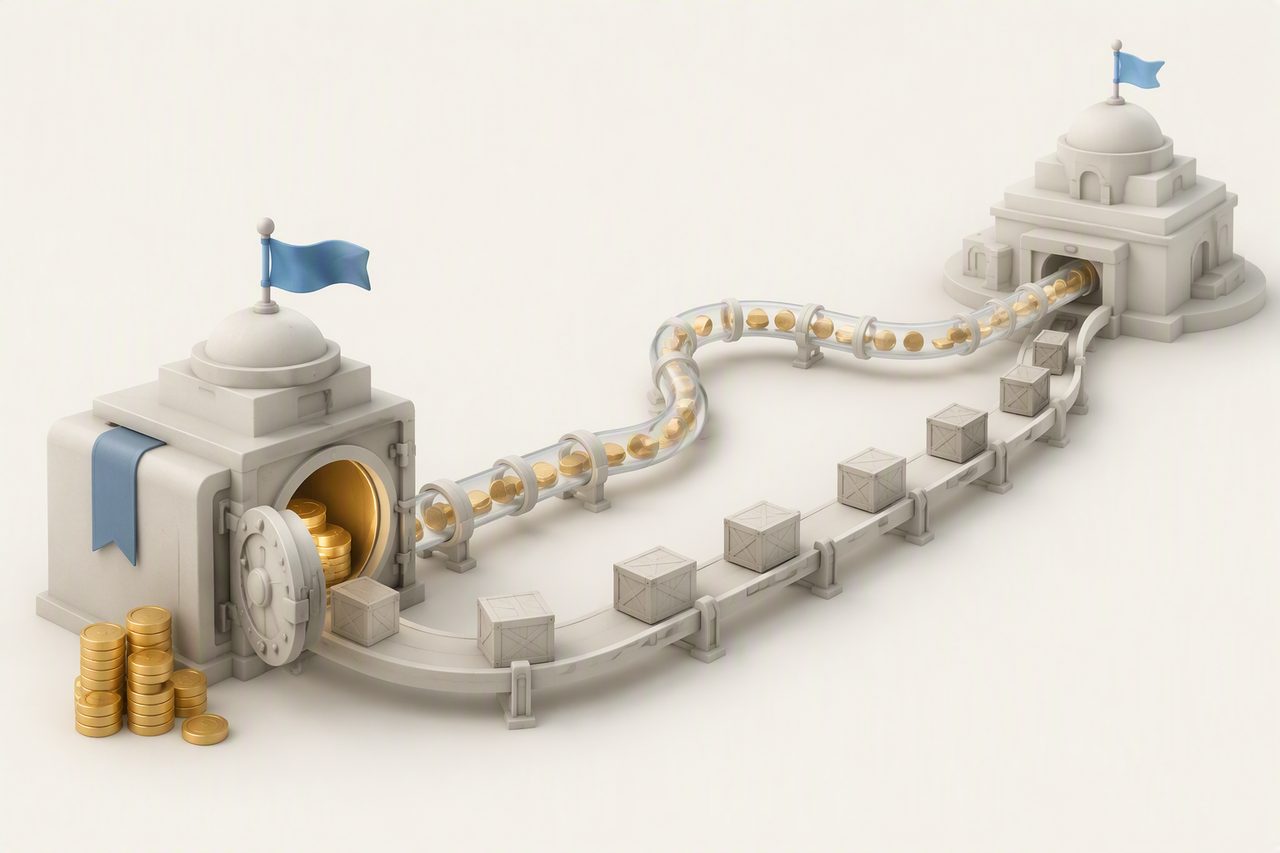
Manage profit repatriation separately from other cross-border payments
There may be several types of payments between headquarters and the subsidiary: dividend distributions, repayment of shareholder loans, service fees, technical support fees, licence fees or payments for goods. They may all look like payments from Sri Lanka to an overseas party, but their commercial basis, contractual support, accounting treatment, tax review and bank documentation are not the same.
A common misunderstanding is that, because headquarters provides management support, a management fee can simply be used instead of a dividend. That is not necessarily the case. Whether the services were actually provided, whether their scope is clear, whether pricing has a basis, and whether the payment is consistent with the contract and invoice all need separate assessment. Combining payments with different legal and commercial characteristics may reduce discussion in the short term, but it can make later audit, tax and bank explanations more difficult.
For each type of cross-border payment, maintain a separate file containing at least:
- The nature of the payment and an internal business explanation;
- The relevant agreement, board resolution or management approval record;
- Invoices, calculation schedules or the basis for the allocation or distribution calculation;
- Completed or planned accounting and tax reconciliations;
- Bank payment instructions and a checklist of supporting documents;
- Details of the head-office receiving entity and internal approval records.
If you have already established a process for supporting cross-border payments, it can be used together with the document-filing approach in “How to Organise an Internal Response When a Bank Requests Additional Background Documents for a Cross-Border Payment.”
Hold a four-party review before deciding on a dividend
Profit repatriation should not be driven by the headquarters finance team alone. A more reliable approach is for local finance, headquarters finance, the appointed licensed professional advisers and the bank contact to review the same set of materials.
1. Local finance: confirm that the figures reconcile
The local team should prepare management accounts up to the proposed distribution date and explain the relationship between revenue recognition, receivables, significant payables, related-party balances and cash. If the annual audit has not been completed, the team should clearly identify whether the figures are based on management accounts or audited accounts, and which items may still be adjusted.
2. Headquarters finance: confirm that retained funds are sufficient
Headquarters may focus on the amount to be repatriated, while the local team is often closer to the actual payment cycle. Both sides should review future cash flow together rather than relying only on historical profit. For project-based businesses, import-dependent businesses or businesses with long collection cycles, include contractual milestones, procurement payment dates and payroll cycles in the forecast.
3. Licensed professional advisers: review company, accounting and tax treatment
The appointed and appropriately qualified accounting, audit, tax or legal professionals should review the distribution process, financial statement status, tax treatment, filing or record-keeping requirements based on the company’s actual circumstances. Do not simply copy the prior year’s approach. The business structure, shareholder relationships, tax position and regulatory requirements may all have changed.
4. The account-holding bank: confirm documents and operating arrangements in advance
Before submitting payment instructions, confirm with the account-holding bank its current documentation requirements for cross-border dividends or other payments, as well as signing arrangements, online banking user roles, payment limits and beneficiary information formats. This does not guarantee that a payment will be processed. It helps avoid discovering that further explanations are needed only after all documents appear to be ready.
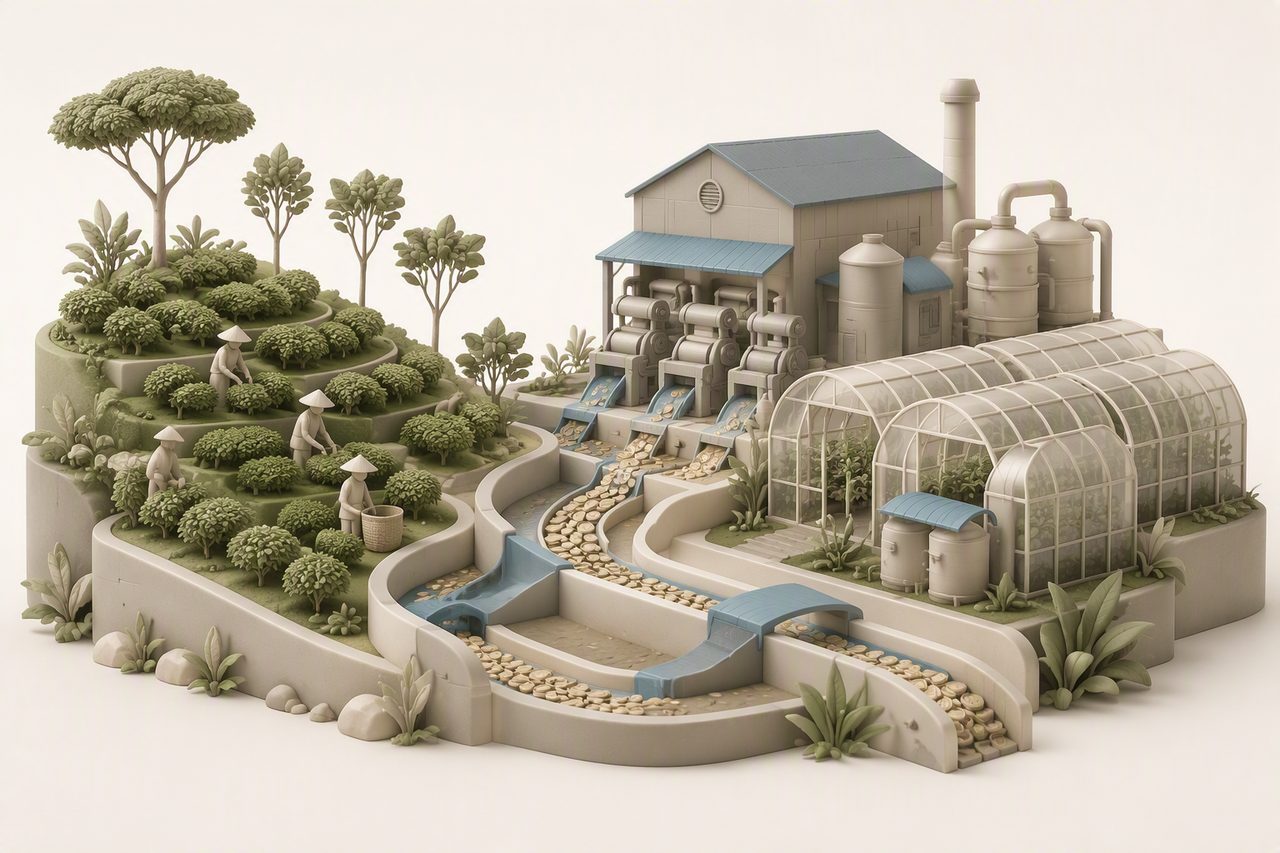
Reinvestment is more than leaving cash in the account
If headquarters decides not to repatriate profit immediately and instead retain it for further investment in Sri Lanka, document the reinvestment as a trackable internal plan rather than broadly describing it as “operational needs.”
A practical reinvestment record may include:
- The expected amount of retained funds and their source;
- The intended business purpose and budget category;
- The expected period of use and responsible department;
- Whether the plan involves a new office, equipment, inventory, personnel or project investment;
- Whether company licensing, contracts, tax, import or employment matters need separate review;
- Actual monthly or quarterly use compared with the budget.
This also helps when headquarters reassesses dividend capacity later. It becomes easier to distinguish between retained cash that has not yet been used and operating funds already deployed but not yet converted into collections.
How to request fee and timing estimates from professional advisers
The cost of profit repatriation is usually not limited to a single bank charge. Ask separately about financial statement preparation or audit work, tax review, company document preparation, bank-document support, translations or certified documents, and supporting materials required for headquarters’ internal approvals.
Do not assess a quotation only by comparing the total price. Ask the provider to define the scope of work: are they only reviewing existing documents, or will they need to reconstruct accounts, redo reconciliations, prepare company resolutions, respond to further bank questions or address differences relating to prior periods? A low quotation that does not state whether follow-up questions are included can lead to additional work later in the process.
Timing should also be broken down by stage. Internal approvals, account preparation, professional review, company document preparation and bank execution are separate steps. Any stage may be delayed if information is incomplete. Rather than asking generally how quickly funds can be remitted, identify who is responsible for each step, which documents are missing and when the file can be passed to the next party.
Build this into a quarterly or annual decision process
Profit repatriation is not a one-off administrative task. It forms part of headquarters’ overall cash-management process. For a subsidiary with stable operations, establish a regular internal review cycle. Each review can update profit, cash flow, tax status, material contracts, related-party balances and investment plans for the next period.
MMD Business Support can assist with organising document checklists, coordinating communication between local finance teams and banks, connecting clients with appointed licensed professional advisers, and tracking documents and project milestones required by the relevant parties. Company, tax, audit and banking advice, as well as specific operational steps, should still be confirmed by the relevant institutions based on their latest requirements.
This content is provided for general information only and does not constitute legal, tax or immigration advice. Specific requirements should be confirmed with the relevant Sri Lankan authorities and appointed licensed professional advisers.
Official reference channels: Sri Lanka Inland Revenue Department (https://www.ird.gov.lk/); Department of Registrar of Companies (https://drc.gov.lk/en/). Links reviewed on 2026-09-11.
FAQ
- If a Sri Lanka subsidiary is profitable, can it distribute all available cash to its overseas headquarters?
- A bank balance alone is not enough to make that decision. You should review distributable profit, unpaid obligations, future operating cash requirements, the status of financial statements, and the relevant company and tax treatment. Local finance and appointed professional advisers should review the position before a decision is made.
- Can dividends, shareholder-loan repayments and headquarters management fees be processed together?
- These payments have different commercial bases and supporting-document requirements, so they should not normally be combined into one payment. Keep separate contracts, calculation support, approval records, accounting treatment and bank payment explanations for each, and have the applicable treatment reviewed by professional advisers.
- If headquarters does not currently need the funds, should retained profit in the Sri Lanka company be documented?
- Yes, this is recommended. Retained funds should preferably be linked to a clear purpose, such as operating cash flow, project investment, equipment purchases, inventory or hiring plans. Regularly comparing the budget with actual use can help headquarters decide later whether the funds should remain in the company.
- What documents does a bank usually request for profit repatriation?
- Requirements can vary by bank and payment arrangement, so confirm the document list with your account-holding bank in advance. Typical materials may include an explanation of the payment nature, internal company approvals, financial and tax support records, receiving-entity information and calculation support for the payment amount.
Related reading



Need this applied to your case?
Tell us your team size, industry and timeline — we will map the actual path for your project.
Contact us