Company Registration
Sri Lanka Warehouse Lease Fire Safety and Land Use
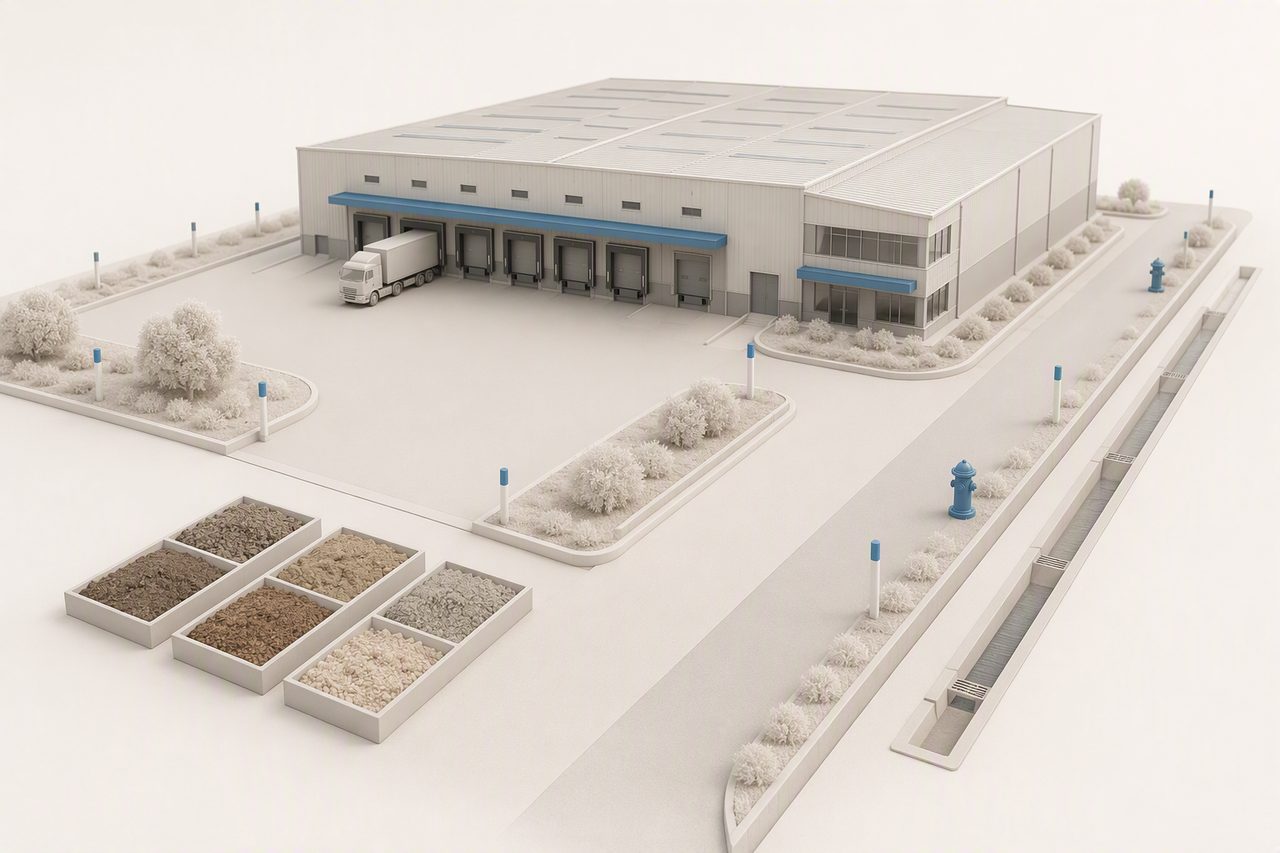
Production, assembly and warehousing projects should not assess a site solely by its size, rent or location before signing a lease. The more important question is whether the proposed activities can be carried out at that site, and whether its existing condition, property arrangements and scope for alteration can support actual operations.
For most projects, site verification is not simply a property inspection. It involves comparing business activities, property conditions, regulatory expectations and lease responsibilities against the same checklist. The earlier a business identifies incompatible use, unclear waste-disposal arrangements, inadequate fire safety systems or restricted goods access, the easier it is to avoid rework, operational disruption or a later relocation.
Turn Business Activities into Site Verification Questions
Verification should not begin with the question, “Is this an industrial area?” It should begin with what the business will actually do at the site. Even within warehousing or manufacturing, requirements can differ substantially depending on the goods, equipment and processes involved.
Before a site visit, the project team should prepare a one-page description of its intended business activities. At a minimum, this should cover:
- the categories of products, raw materials, components or goods;
- whether operations include assembly, processing, packing, repairs, sorting, cold storage, charging, washing or testing;
- whether chemicals, fuels, lubricants, cleaning agents or other controlled materials will be used;
- whether wastewater, emissions, noise, dust, solid waste or hazardous waste may be generated;
- expected arrangements for trucks, containers, forklifts and employee movement;
- equipment lists, equipment weight, power requirements, water requirements and backup-power arrangements;
- initial job roles, shift patterns and expected on-site headcount; and
- whether customer audits, quality-system reviews or sector-specific permits may be required.
This description does not need to be a formal application document at the outset. However, it should be detailed enough for the landlord, park operator and appointed professional advisers to understand how the premises will be used. Broad descriptions such as “warehouse”, “office with storage” or “light processing” can lead different parties to assess the project risks differently.
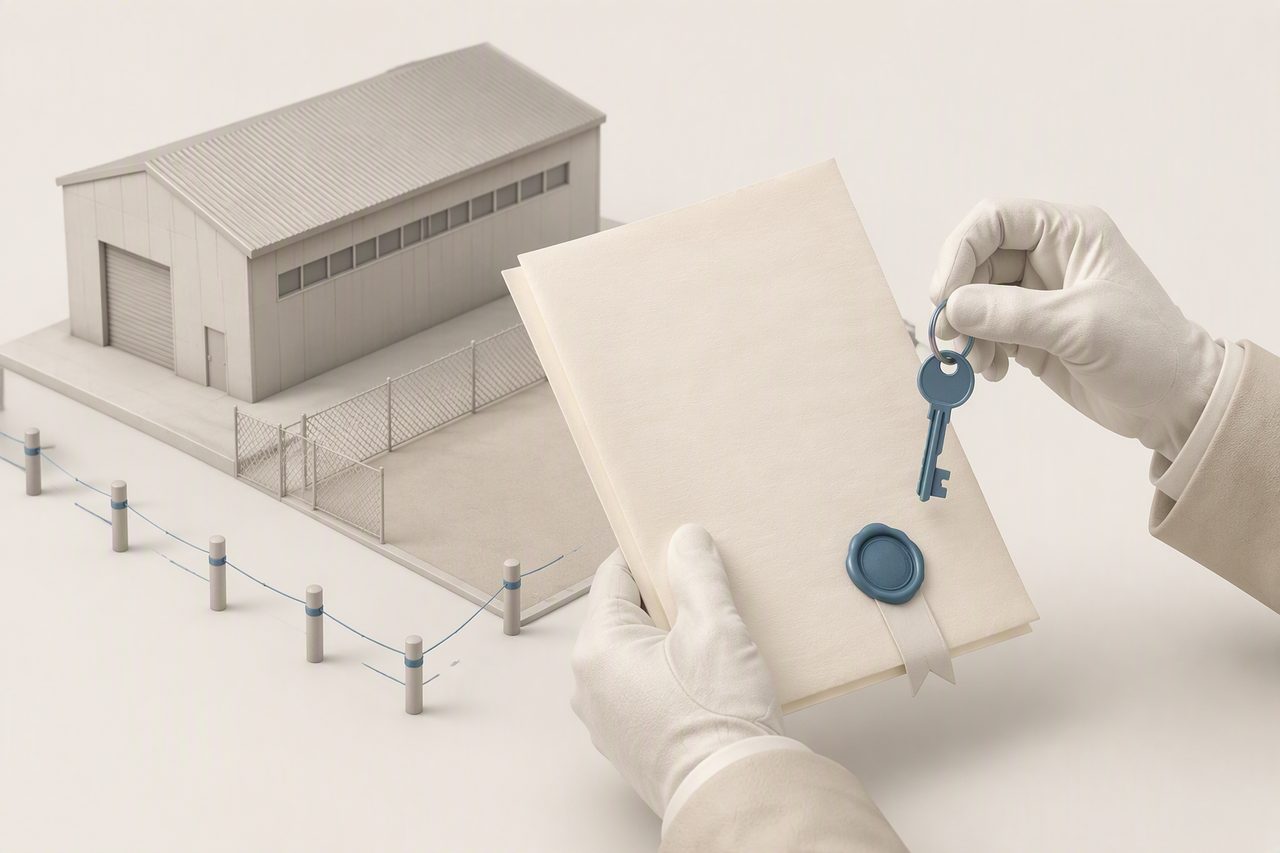
Land Use and Property: Confirm Who Can Lease the Site and Whether It Can Be Used as Intended
A site being available for lease does not necessarily mean it is suitable for the proposed business. Businesses should request basic supporting documents from the landlord or park operator and have qualified local professionals review them in light of the project.
Four areas are particularly important.
1. The Landlord’s Identity and Authority to Lease
Check whether the contracting party matches the party named in ownership documents, the head lease, park authorisation or management documents. Where the landlord is not the owner, the business should also understand whether it has authority to sublease, grant occupation rights or permit third-party operations.
For premises located in an industrial park, special economic zone, commercial complex or multi-storey warehouse development, also confirm whether the park operator has separate rules on industries, types of goods, operating hours, construction works, vehicle access or signage.
2. Whether the Existing and Proposed Uses Are Compatible
The business should explain its intended activities to the landlord and relevant management parties, and request written confirmation of known restrictions. The question is not simply whether “warehousing” is permitted. It should include:
- whether the proposed goods may be stored on site;
- whether packing, labelling, assembly, repairs or other on-site operations are allowed;
- whether night operations, shift work or frequent loading and unloading are permitted;
- whether racking, partitions, cold rooms, ventilation systems, lifting equipment or production machinery may be installed; and
- whether there are limits on floor loading, roof loading, loading bays, vehicle weight or parking.
If the project may later add processing activities, this should be disclosed before signing. A business should not first lease ordinary warehouse space and only later attempt to change the use of the premises.
3. Goods Access and Utility Infrastructure
The site review should cover truck access routes, turning space, loading areas, container parking conditions, road restrictions and peak-period congestion. Projects requiring reliable operations should also review power capacity, distribution arrangements, water supply, drainage, communications, backup-power location and space for equipment installation.
Do not inspect only the presentation areas. It is advisable to walk through the proposed routes for receiving, storage, operations, packing, temporary waste storage and dispatch, and record any areas shared with staff walkways, fire access routes or other tenants.
4. Rights to Alter the Premises and Reinstatement Obligations
Many production and warehousing projects need to install racking, add partitions, modify electrical systems, install piping or add safety equipment. Before lease negotiations are finalised, the business should confirm which alterations require approval from the landlord, park operator or relevant authorities; who will coordinate construction; and which installations must be retained, removed or reinstated at the end of the lease.
Questions concerning ownership, subleasing, use restrictions and lease terms should be reviewed against original documents by appointed local legal professionals. A project team should not make a leasing decision solely based on an agent’s verbal statements or informal chat records.
Environmental Review: Focus on Operations, Not Only the Current Condition of the Site
Environmental risk commonly arises from future operations rather than whether the premises appear clean at the time of inspection. A business should therefore map each operational process against its potential environmental impacts.
The following questions provide a practical starting point:
| Review Area | Questions to Confirm |
|---|---|
| Raw materials and other materials | Are any materials subject to special storage, segregation, spill-prevention or record-keeping requirements? |
| Wastewater and drainage | How will wastewater from washing, production or employee use be collected, discharged or treated? |
| Emissions, dust and noise | Could equipment operation, generators, welding, spraying, cutting or transport create impacts? |
| Solid waste | Who will collect, store temporarily and dispose of packaging, offcuts, rejected goods and general waste? |
| Special waste | Is there a clear handling route for waste oil, chemical containers, batteries, electronic components or other special waste? |
| Previous site use | Has the site previously been used for activities that may have left contamination, odours, underground tanks or legacy disposal issues? |
Businesses should ask the landlord to explain existing drainage, wastewater treatment, waste collection and park environmental-management arrangements. The proposed process should also be assessed by relevant appointed professional advisers. If documents may need to be submitted to an environmental authority, park management or another body, the document sequence and allocation of responsibilities should be clarified before paying a non-refundable deposit, ordering major equipment or finalising a fit-out plan.
One common misunderstanding should be avoided: the existence of an environmental facility at the property does not mean any activity by a new tenant can automatically use it. Capacity, connection conditions, maintenance responsibilities and applicable activities must still be confirmed against the business’s actual process.
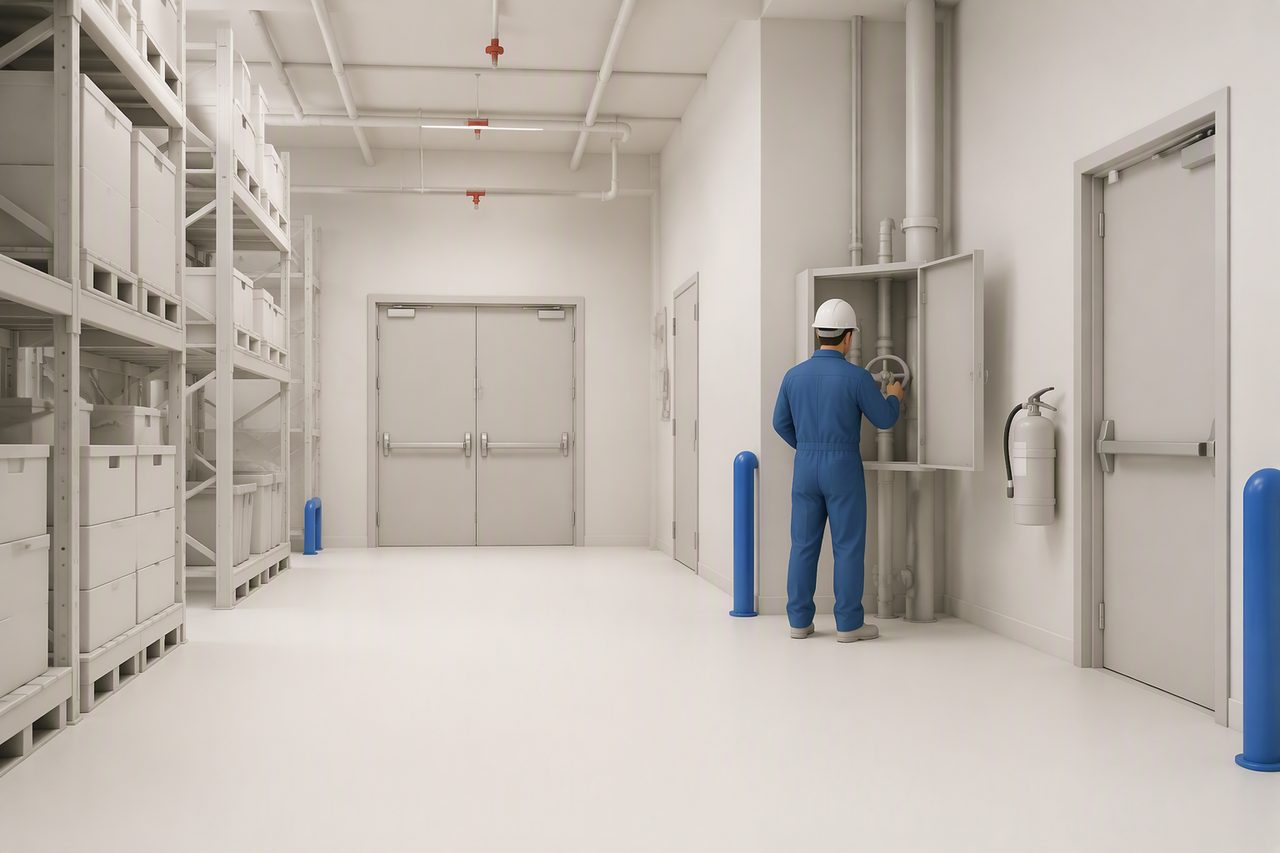
Fire Safety Review: Ensure Evacuation, Systems and Daily Management Work Together
Fire safety verification should not be limited to checking whether extinguishers or alarms are visible. For production and warehouse projects, the nature of the goods, racking height, personnel density, equipment layout and vehicle movements should be assessed together.
Key on-site checks may include:
- whether entrances, exits, evacuation routes and stairways are clearly marked, continuous and free from stored goods;
- whether warehouse, office, charging, equipment and loading areas require separate management or segregation;
- whether maintenance records are available for existing alarm, firefighting, water-supply, emergency-lighting and evacuation-signage systems;
- whether fire access routes, assembly areas and emergency-vehicle entry routes could be blocked by parking or loading activities;
- whether high racking, mezzanine floors, cold rooms, lithium-battery equipment, forklift charging or flammable materials could change existing safety conditions; and
- whether the site has approvals, inspection records or management records applicable to its current condition, and whether proposed alterations require further confirmation.
A business should not make its own conclusion that a site “already meets fire safety requirements”. A more prudent approach is to have suitable professionals and relevant management parties review the layout, goods information, equipment locations and staffing arrangements before the layout is finalised. This can reduce the risk of discovering after fit-out that access routes, equipment spacing or system configurations must be changed.
Record Findings in a Pre-Lease Decision Table
After the first round of inspections, it is advisable not to move directly into rent negotiations. Instead, prepare a pre-lease conditions table. Each item can be recorded under four statuses: confirmed, supporting documents pending, professional advice required, or unacceptable.
| Decision Item | Evidence or Conclusion to Have Before Signing |
|---|---|
| Leasing authority | Relevant ownership, authorisation or head-lease documents have been reviewed by professionals |
| Business use | The landlord and park management are aware of the proposed activities and categories of goods |
| Alteration arrangements | The scope of alterations, approval route, construction responsibilities and reinstatement obligations are clear |
| Environmental matters | Main emissions, waste streams and handling routes have been identified on a preliminary basis |
| Fire safety matters | Layout, goods storage and emergency access have entered the professional review process |
| Utilities | Power, water, drainage, loading and communications can support initial operations |
| Lease risk | The mechanism for unmet conditions, responsibility boundaries and handover standards have been confirmed with professional assistance |
If the project involves imports, bonded arrangements, distribution or special goods, site verification should also be planned together with goods flows, customs documentation and warehouse operations. Businesses may also refer to the published article, “How Cross-Border Trading Businesses Can Review Import, Warehousing and Distribution Requirements Before Setting Up a Local Company,” to avoid treating site selection, import arrangements and daily warehouse management as separate issues.
Who Is Responsible for What: Making Site Verification Actionable
The project team is responsible for providing an accurate and complete description of business activities, and for making timely decisions on goods categories, equipment configuration and operating plans. The landlord or park operator is responsible for explaining the site documents, management rules and existing facility conditions within its knowledge. Legally qualified legal, environmental, engineering or other professional advisers should review documents, identify required procedures and provide advice within their respective professional scopes.
MMD Business Support can assist project teams in clarifying requirements, coordinating document checklists, connecting local resources, supporting discussions and helping align project progress. Company registration, legal, tax, immigration and specific licensing work is undertaken by legally qualified professional providers. Regardless of who coordinates the work, the latest written views of relevant authorities, property documents and appointed professional advisers should prevail.
Official Information Source
Businesses may consult the Sri Lanka investment promotion authority website for information related to investment and project establishment: https://investsrilanka.com/. For specific activities, locations, environmental impacts or safety requirements, confirmation should be sought with the relevant authorities at the project location, park management and appointed professional advisers.
This content is provided for general information only and does not constitute legal, tax or immigration advice. Specific requirements are subject to the latest views of the relevant Sri Lankan authorities and appointed licensed professionals.
FAQ
- If a site is located in an industrial park, can production or warehousing begin immediately?
- Not necessarily. Being located in an industrial park does not replace verification of the specific activities, goods categories, equipment, emissions, alterations and park rules involved. Businesses should explain the actual intended use to the landlord or park operator and have relevant professionals confirm subsequent requirements in light of the project.
- What information should a landlord provide before a lease is signed?
- Businesses should generally request information on the leasing entity and its authority, the stated use of the premises, existing facilities, alteration restrictions, park management rules, loading and vehicle arrangements, and any fire safety, drainage and waste-management information known to the landlord. Documents affecting ownership and lease validity should be reviewed by local professionals.
- Is environmental and fire safety verification still necessary for ordinary warehousing without production equipment?
- Yes. A warehouse may still raise environmental or fire safety management issues because of the nature and stacking height of goods, forklift charging, packaging waste, loading frequency, drainage and personnel movement. The scope of verification can be adjusted according to the goods and operational complexity.
- When should racking, cold rooms or additional electrical distribution be confirmed?
- These points should be confirmed before signing the final lease and setting the fit-out budget. The business should first define its equipment and layout, ask the landlord and park management about approval and construction restrictions, and have suitable professionals assess the effects of the alterations on safety, utility capacity and ongoing operations.
Related reading



Need this applied to your case?
Tell us your team size, industry and timeline — we will map the actual path for your project.
Contact us