Market Entry
Before You Lease a Factory in Sri Lanka: Verifying Flood Risk, Drainage Responsibility and Downtime Plans

Before signing a factory or warehouse lease in Sri Lanka, verify flood risk, drainage responsibility and downtime planning in documents rather than a landlord's assurance. Check the plot's flooding record and drainage outfalls, write silt removal, major repairs and damaged-goods liability into the lease, then turn triggers, shutdown decisions, equipment protection and insurance claims into one executable plan.
You have found a plot close to the port, the rent is workable, and the landlord says "it has never flooded here." That may be true — or he may only have seen the site in the dry season. That sentence is not what decides your cost. What decides it is where the water comes from in heavy rain, where it is supposed to go, who is responsible for getting it there, and what happens to your equipment and your people when it doesn't.
Is "it has never flooded" enough to verify flood risk?
No. Past flooding is one variable, and it usually covers only the last few years. At a minimum, establish:
- The plot's relative elevation against surrounding roads and water bodies — is it a low point where water collects?
- Whether new fill or newly paved surfaces upstream could redirect runoff toward the site
- What the nearest water body is — river, canal, lake, marsh, irrigation channel — and which authority manages it
- Where the site's stormwater network discharges, and whether anyone has assessed its capacity
- Whether the access road is low-lying; if staff and trucks cannot get in, you are shut down
- The location and level of the substation, transformer, generator, water tanks and underground ducts
There are four sources worth using: the municipal planning and drainage departments, the authority responsible for canals and irrigation, neighbouring businesses who have operated through a monsoon, and your insurer's hazard assessment. One more step is cheap and often skipped: visit the site within 24 hours of heavy rain.

Who is responsible for drainage, and how do you write it into the lease?
Draw the boundary on a plan. Stormwater drains, inspection chambers and retention tanks inside the site, plus the connection to the municipal line or canal, each need an owner named line by line. Many leases say only that "the tenant shall keep the premises clean" — a sentence with no enforceable meaning once something blocks.
The lease should at least set out:
- Who carries out routine desilting and pre-monsoon inspections, and how often
- Who pays for major repairs and replacement of pumps, gates and retention tanks
- How liability is shared when a blockage at the connection point causes backflow
- How loss of goods or equipment from inadequate drainage is evidenced and handled
- A site plan and a responsibility boundary plan attached as schedules
The wording and enforceability of these clauses should be reviewed by a Sri Lankan-qualified lawyer; this section is not legal advice. For matters such as the contracting entity and name registration, follow the latest requirements published by the Department of the Registrar of Companies (DRC) (drc.gov.lk).
If the factory is inside an industrial zone, is drainage no longer my problem?
No. Zone-based factories usually sit on a shared sewer and drainage system, but "the zone manages it" does not mean you can skip knowing where your connection is, who to call when it blocks, and how quickly they respond. Ask zone management: who is on duty for drainage during the monsoon, whether there is a pump station, whether the pumps still run during a power cut, and whether the zone has flooded before. Where an investment zone or industrial park is involved, zone administration and entry arrangements follow the information published by the Board of Investment (BOI) (investsrilanka.com). Get the answers by email or in zone management documents, not as a verbal promise.
This is the assumption that catches tenants out: because the zone owns the drains, they assume the interface is the zone's problem too. In practice, the boundary between your plot and the zone network is exactly where disputes start — and where a blocked line turns into your downtime.
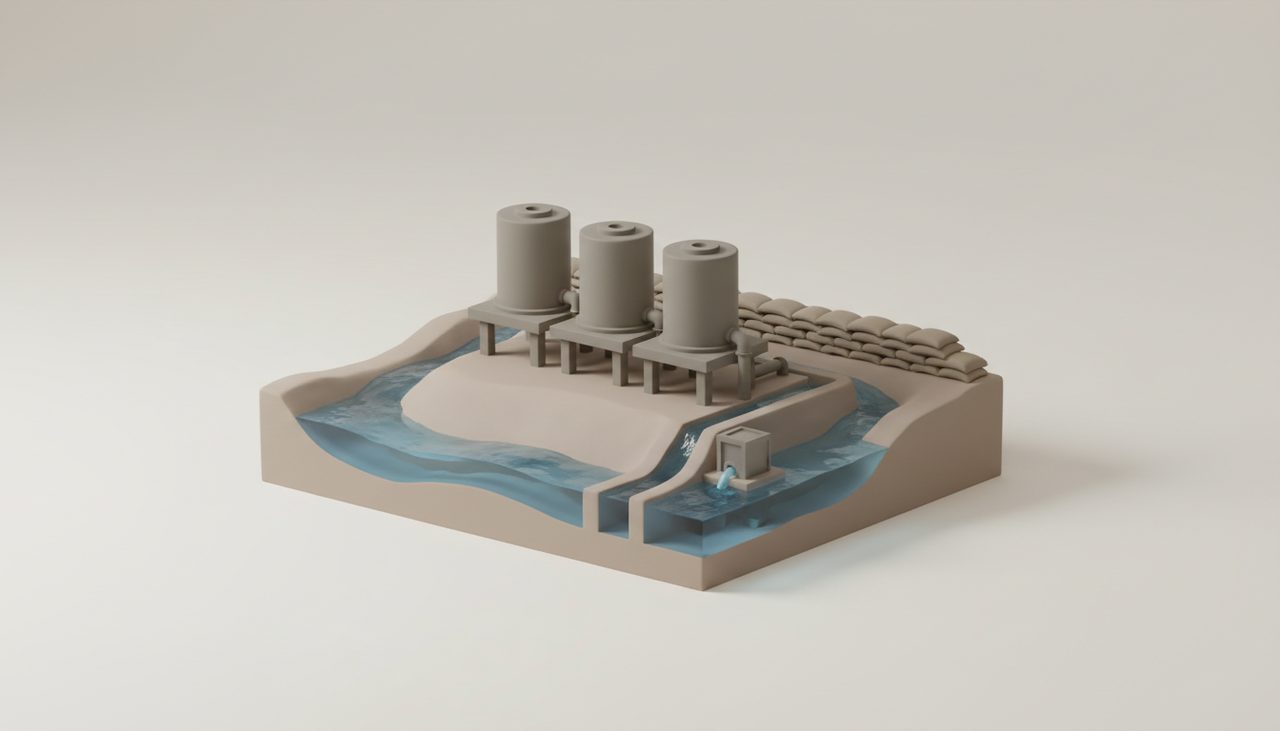
How detailed does a downtime plan need to be to actually work?
Detailed enough that a relief shift supervisor can follow it without calling anyone. It should cover at least:
- Triggers: which warning, rainfall reading or gauge level counts, and who watches it
- Decision chain: who can call a stop, who can call a restart, and who substitutes for them
- Equipment protection: power-down sequence, how high to raise things, where moulds and fragile parts go
- Materials: the criteria for lifting, moving or writing off raw materials and finished goods
- People: evacuation routes, assembly points, alternative rosters when staff cannot get in
- External communication: one agreed message for customers, suppliers and freight forwarders
- Evidence: timestamped photographs, flood marks, and the material an insurance claim requires
- Review: how soon after activation you debrief, and who signs off on changes
Employee evacuation and workplace emergency arrangements fall under occupational safety; follow the latest requirements published by the Department of Labour (labourdept.gov.lk).
What should I ask about power cuts and logistics before monsoon season?
Three things: power, roads, people.
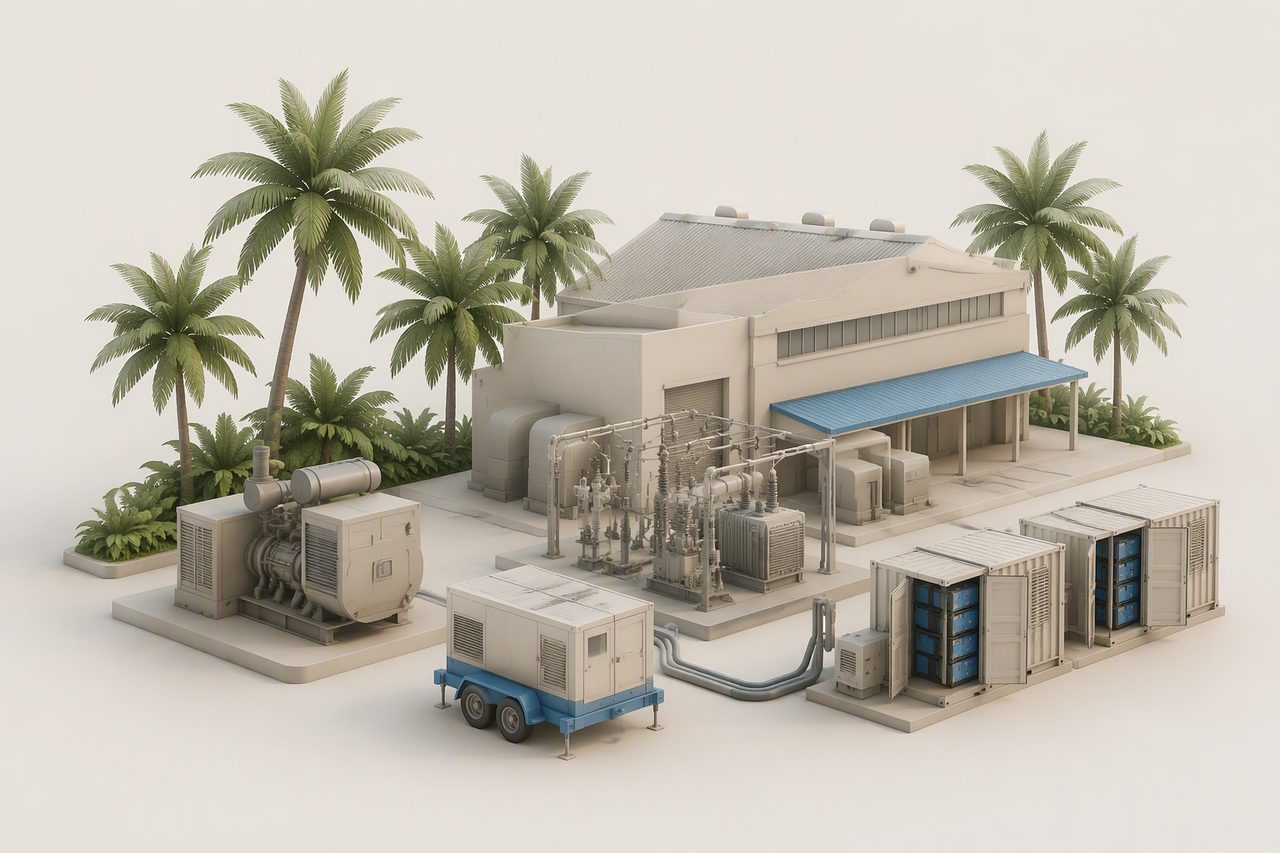
Power — is the substation or distribution room in a low-lying area, is the generator above the historic high-water level, and how long will fuel last?
Roads — how many routes in and out, how much time does the alternative add, and can the port or expressway close because of standing water?
People — how many staff live in low-lying areas, and which line stops first when they cannot get in?
One page covering those three beats a fifty-page emergency manual nobody reads.
What does insurance cover — and what does it not?
Property policies treat flood very differently: sometimes as a named peril, sometimes excluded outright. For business interruption, the indemnity period and the deductible decide how much actually comes back. What is usually not covered: lost orders, customers who move to another supplier, and the slow ramp-up after restart.
So before you sign, get written confirmation from your broker or insurer: is flood within scope, what is the deductible, how is the business interruption indemnity period calculated, and what are the notification deadlines and evidence requirements? Insurers differ widely, and this is not a question to leave until after the lease is signed.
How long does this take, and what does it cost?
Costs fall into three blocks: site inspection and engineering opinion, lease legal review, and insurance and plan advisory. Inspection and legal fees tend to be relatively fixed; engineering assessment and remediation — extra pumps, raising the distribution room, reworking drainage — vary most, depending on site conditions and whether you need to break ground. On timing, with complete documents and no additional engineering assessment, plan in weeks; once a professional engineering report or remedial construction is needed, work backwards from the monsoon.
When quotes come in, judge them on two things: does the scope and deliverables list spell out what you get (one report? how many site visits? how much negotiation support?), and does it show likely remediation costs separately rather than bundling them into an unquantified "service fee"?
This content is general information only and is not legal, tax or immigration advice. Specific requirements are governed by the latest positions of the relevant Sri Lankan authorities and your appointed licensed advisers.
FAQ
- I have insurance. Do I still need to verify flood risk before signing?
- Yes. Insurance addresses payouts, not downtime. Scope, deductibles and the business interruption indemnity period can leave you with far less than your loss, and lost orders and customers who switch supplier usually fall outside cover. Verification is about reducing your exposure first and using insurance as a backstop.
- The landlord says the site has never flooded. Do I still need engineering or drainage advice?
- It depends on the site. For low-lying land, a plot close to a river or canal, a single access road, or a distribution room at or below ground level, a paid professional assessment is worth it. Where conditions are clearly better, you can start by cross-checking a post-rain site visit, interviews with nearby businesses and your insurer's hazard assessment. What matters is that the judgement is documented rather than resting on an assurance.
- The lease is already signed and drainage responsibility is not covered. Can we add it?
- Responsibility boundaries, desilting frequency and who funds repairs can be fixed through a supplementary agreement or an exchange of letters. How to do it depends on the existing clauses and should be assessed by a licensed lawyer. The earlier the better, and especially before the monsoon.
- The factory is inside an industrial zone. Is drainage entirely the zone's responsibility?
- Do not assume so. Confirm who maintains the zone drainage system, who is on duty during the monsoon, whether pump stations keep running during a power cut, and where the boundary sits between your plot and the zone network. Get this in writing from zone management rather than relying on a verbal explanation.
Related reading


Need this applied to your case?
Tell us your team size, industry and timeline — we will map the actual path for your project.
Contact us