Customs
How to Separate Product, Import and Operating Requirements Before Bringing Vape Products into Sri Lanka
Bringing vape products into Sri Lanka requires more than asking whether they can be sold. Before signing contracts or shipping goods, separate the product, importer, warehousing, distribution and sales activities, and have the responsible party for each stage confirm its requirements, documents and ongoing obligations. Company registration alone does not create an import or sales right.
You may already have identified a local distributor, your factory may be ready to produce, and a freight forwarder may even have provided a shipping quote. The point where projects often stall, however, is not booking freight. It is the assumption that somebody else will deal with compliance: the brand expects the importer to handle everything, the importer expects the brand to solve the product documentation, and the warehouse or retail channel assumes the goods can already be traded. If responsibilities for a regulated consumer product are not clearly assigned, the goods, payment arrangements and sales channels may all need to be reworked.
A common misunderstanding is that once a company is registered in Sri Lanka and has obtained tax or banking-related documents, it can automatically import and sell any consumer product. In practice, the corporate entity, the import of goods and the specific business activity are separate matters. Whether a product has a viable route to market must be assessed against its ingredients, intended use, packaging, marketing claims, supply model and the latest requirements of the relevant authorities.
What four questions should a vape project be divided into?
Do not treat “vape products” as a complete answer. Your project team should break the proposed products into four working lists:
- Product list: List devices, pods, e-liquids, replacement parts, charging components, promotional items and bundled packs separately. For each SKU, record the ingredients, whether it contains nicotine, capacity, materials, power source, brand and country of origin.
- Import list: Identify who will act as importer, who will sign the purchase contract, who will pay for the goods, who will prepare customs documentation, and who will bear inventory risk after the goods arrive.
- Warehousing and distribution list: Identify where goods will be stored, whether the warehouse only provides storage or also handles repacking, labelling, delivery or returns, and whether the distributor may resell to downstream parties.
- Sales and promotion list: Assign responsibility for sales locations, customer groups, online pages, in-store displays, promotional materials, after-sales support and complaint handling.
These four lists help you, local professional advisers, import partners and logistics providers discuss the same scope of work. Do not send only a product image and ask whether it can be imported.
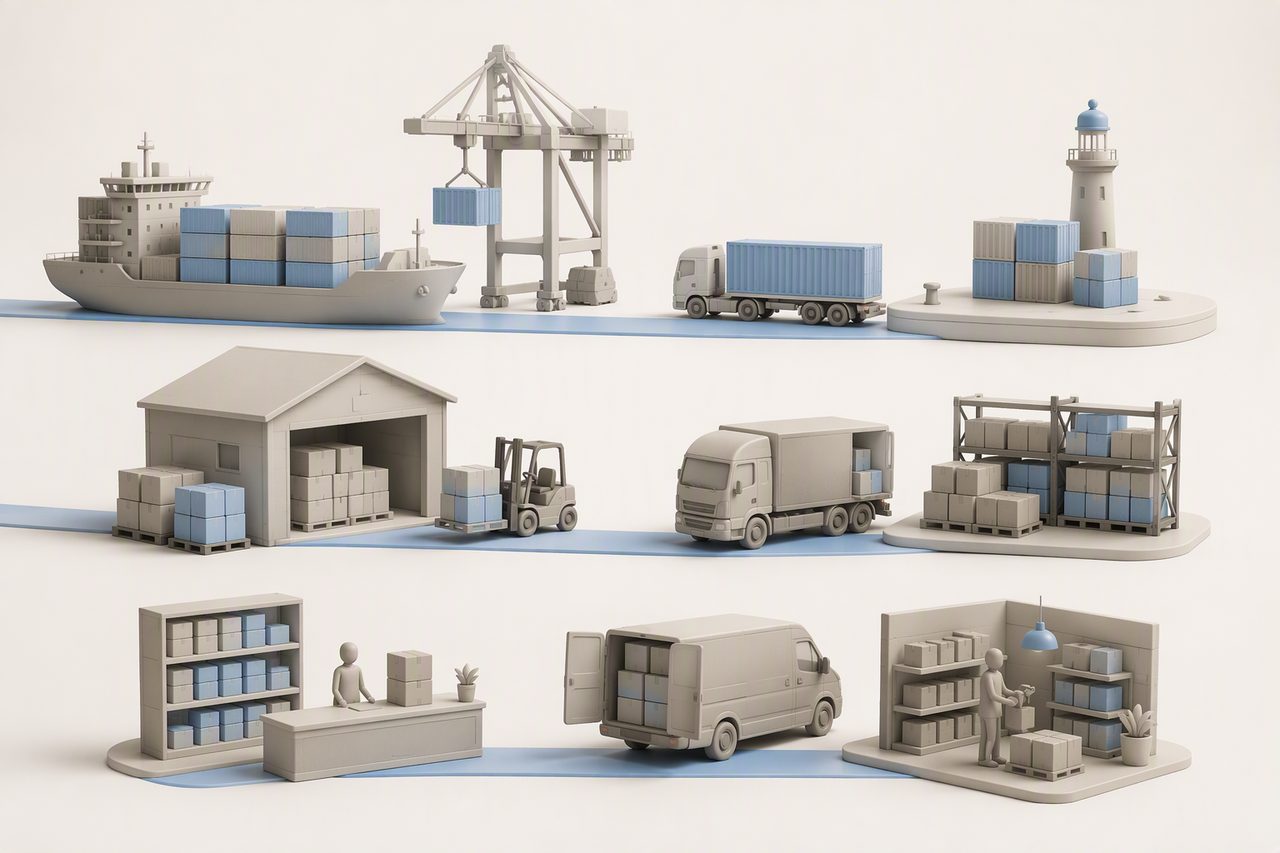
How do the three common operating structures compare?
| Structure | When it may fit | Main cost and risk points | Effect on project timing |
|---|---|---|---|
| The brand appoints a local importer and distributor | You want to test the channel before building a full local operating team | Requires careful review of the importer’s capacity, product-document management, inventory reporting and channel control; contractual responsibilities must be clear | Early work can focus on the importer and product documents, but incomplete confirmation by the partner can lead to repeated document changes |
| You establish a local company and arrange import and sales directly | You plan to operate for the longer term and want control over pricing, inventory and customer data | Requires coordination of company setup, tax, banking, personnel, warehousing and possible operating requirements; internal management workload is greater | There are more workstreams, and an unresolved issue in one area may affect ordering and launch plans |
| You establish a local company but outsource warehousing and distribution | You want to retain brand and commercial decision-making control while using local fulfilment capacity | Ownership of goods, warehouse losses, labelling, delivery, returns, recall cooperation and customer data must be clearly allocated | Some commercial matters can be prepared in parallel, but a third party cannot replace confirmation of the product and import route |
No structure is inherently “easier to approve.” If the product itself, or the proposed import and sales model, does not have a workable path, changing the company name, freight forwarder or invoice structure will not solve the central issue.
Who should own each part of the responsibility chain?
Use the following allocation table to confirm responsibilities with your partners. The objective is not to place every obligation on one party, but to avoid gaps where no one is responsible.
| Stage | Responsibility questions to clarify |
|---|---|
| Brand owner or manufacturer | Provide a complete SKU list, ingredient and technical information, draft labels, origin information, quality and safety documents, and version records for marketing materials |
| Local importing entity | Confirm whether it can act as importer for the intended goods, and identify which declarations, payments, clearance tasks and record-keeping obligations it will handle |
| Warehouse or logistics provider | Confirm whether it accepts this type of goods, whether it handles battery-containing products, whether repacking or labelling is permitted, and how exceptional goods will be isolated and returned |
| Distributor or retail channel | Confirm the sales environment, downstream customer types, marketing restrictions, price-control arrangements and inventory-tracking responsibilities |
| Local professional adviser | Based on the actual product documentation and business model, help identify which authorities need to be consulted, what documents may need to be added, and which arrangements should not begin before confirmation |
For import-related matters, refer to the latest requirements published by Sri Lanka Customs. For the establishment and status of the corporate entity, refer to the latest requirements published by the Department of the Registrar of Companies. These websites are useful starting points for verification, but general website information should not be treated as case-specific permission for a particular vape product or business model.
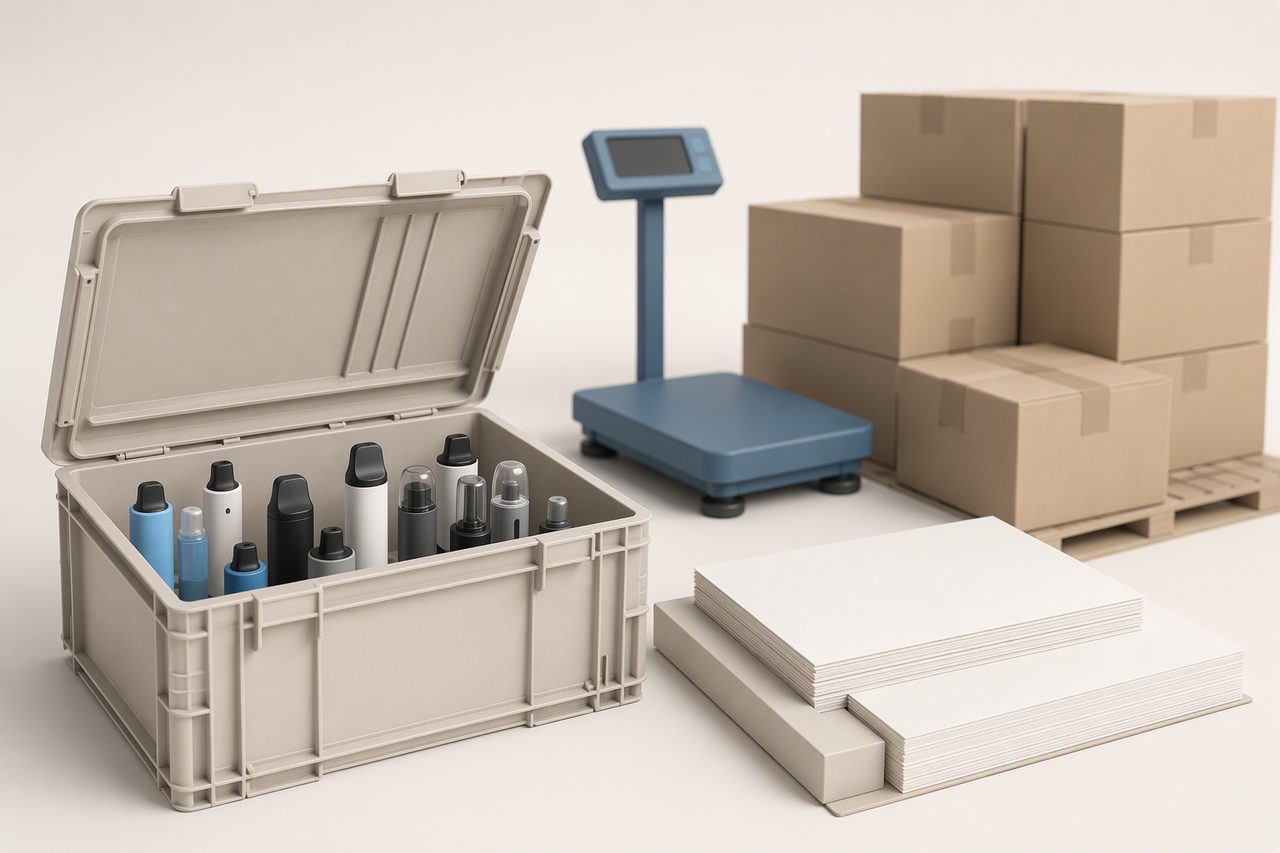
Why should product documents be prepared before requesting freight quotes?
A freight forwarder can help you understand shipping and customs coordination, but a freight quote does not replace an assessment of product market-entry requirements. Vape-related products may have characteristics of consumer goods, liquids, electronic devices, battery components or products containing particular ingredients. Different SKUs may therefore require different documentation and handling.
Before discussing import arrangements, prepare at least the following:
- Product descriptions, specifications and intended-use statements in English and Chinese for each SKU;
- Ingredient information, nicotine status, and relevant test reports or quality documents;
- Six-sided packaging images, label text, warning statements and draft marketing claims;
- Documentation relating to batteries, chargers and transport safety;
- Expected information on the manufacturer, country of origin, purchase-contract entity and commercial invoice;
- Expected import volumes, trial-sales scope, storage location and sales-channel description.
When documentation is incomplete, professional advisers may not be able to determine whom to approach, and an importer may be unable to confirm which obligations it is willing to accept. A more workable approach is to complete a “product–document–responsible party” matrix before deciding whether to place a purchase order.
Where will the costs arise, and how can you assess whether a quote is reasonable?
The cost of this type of project is not limited to a single “licence fee.” A quote may cover different items, including product-document preparation, professional advice, company establishment or changes, import coordination, customs services, transport and warehousing, label adjustments, channel contracts and ongoing record management. Fixed costs commonly arise from one-off document preparation, establishment work or contract work. Variable costs may depend on the number of SKUs, shipment volume, product complexity, warehousing requirements, number of sales channels and the number of follow-up document requests.
When requesting quotes from service providers, ask them to show separately which SKUs are covered, whether communication with authorities or business partners is included, how additional document requests will be charged, whether customs clearance and warehousing are separate, and whether third-party charges will be paid directly by you. A low price with an unclear scope of responsibility is often harder to manage when additional work is added later.
How can you decide whether the project should proceed now?
If you are the brand owner, check whether your product documents are sufficient to support one complete review. If you only have catalogue images and purchase-price sheets, it is generally more prudent to avoid committing to delivery dates at this stage.
If you plan to appoint a local importer, ask what role it is prepared to take: importer of record only, or also warehousing, distribution and retail-channel management. Record the answer in a contract schedule rather than leaving it as an informal email confirmation.
If you plan to establish your own company, put the product, import and operating activities into the project plan as separate workstreams before arranging company, banking, office and recruitment matters. Discovering after incorporation that the product route has not been confirmed can undermine lease commitments, staffing plans and inventory planning already put in place.
This content is for general information only and does not constitute legal, tax or immigration advice. Specific requirements should be confirmed against the latest views of the relevant Sri Lankan authorities and engaged licensed professional advisers.
FAQ
- Can I import and sell vape products after registering a company in Sri Lanka?
- You cannot determine this from company registration alone. Corporate establishment, goods importation and specific sales activities are separate matters. Based on the actual SKUs, ingredients, packaging, importing entity and sales model, you should confirm the available route with the relevant authorities and engaged professional advisers.
- Can a brand leave all responsibilities to a local distributor?
- A local partner may undertake some or all import, warehousing and distribution work, but the contract should clearly allocate responsibility for product documentation, import declarations, inventory management, labelling, marketing content, complaint handling and the treatment of exceptional goods. The brand should still manage the completeness and consistency of the information it provides.
- Can vape devices and e-liquids be handled using the same set of documents?
- You should not assume so. Devices, pods, e-liquids, batteries and bundled packs may have different characteristics. Build a document list by SKU and ask the teams responsible for importing and professional review to confirm whether they need to be handled separately.
- Can I send a small test shipment once I have received a freight quote?
- A freight quote addresses transportation and some operational arrangements, but it does not replace confirmation of the product, importing entity and sales activity. Before the requirements for the intended product and operating model are confirmed, a small shipment size alone should not be treated as a reason to ship first.
Related reading


Need this applied to your case?
Tell us your team size, industry and timeline — we will map the actual path for your project.
Contact us