Market Entry
First Import into Sri Lanka: Choosing Incoterms Without Misaligning Costs and Responsibilities
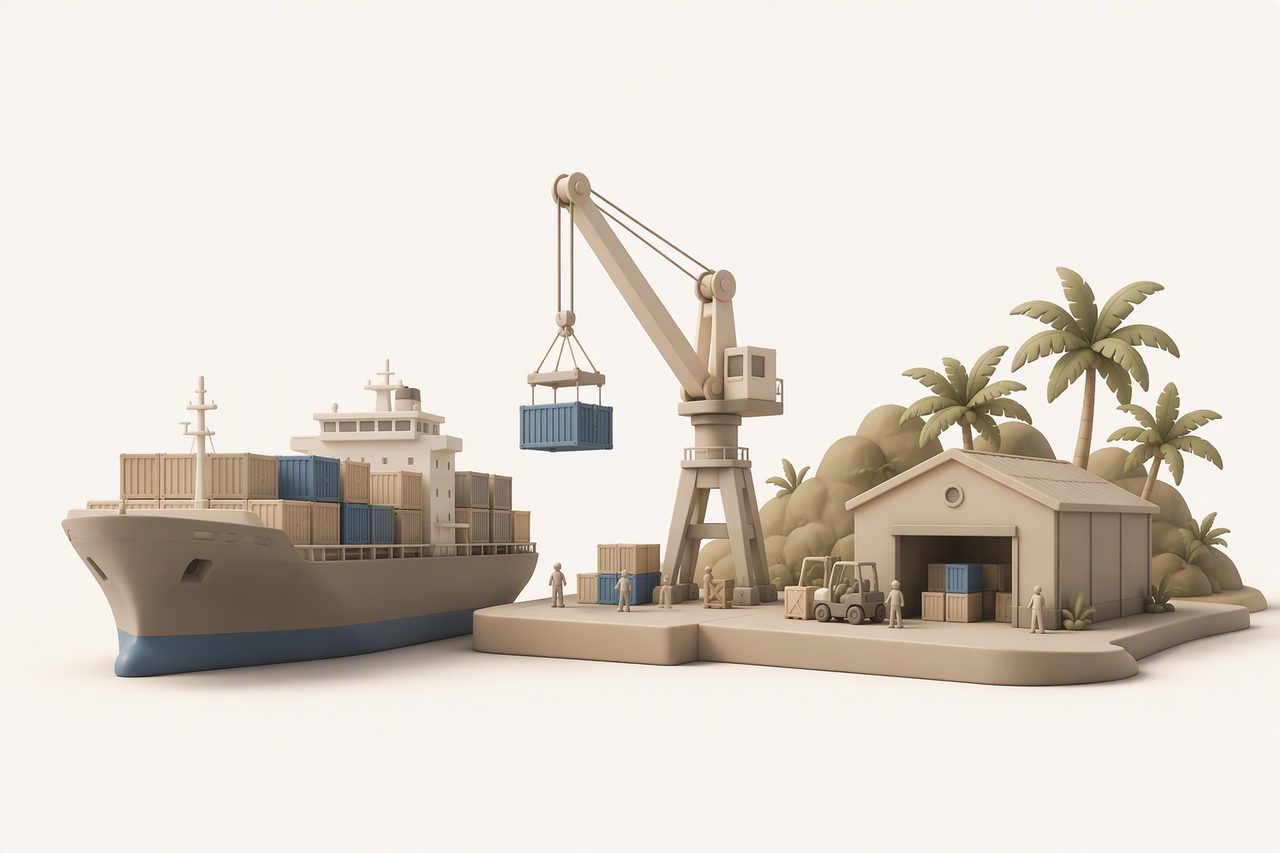
When importing goods into Sri Lanka for the first time, Incoterms are not simply freight-pricing abbreviations. They set out how the buyer and seller divide delivery, transport, insurance, export and import responsibilities. Your chosen term must align with the contract price, importer details, customs process, documentation and budget; a correctly stated term does not itself resolve clearance or tax responsibilities.
You may already have supplier quotations showing FOB, CIF, DAP or DDP. The prices can vary significantly, yet no one has clearly explained destination charges, insurance scope or responsibility for the import declaration. Once the goods have arrived, it may be too late to revise documents, payment arrangements or customs broker authority.
Does FOB or CIF make the total cost clear?
A common assumption: If a quotation states FOB or CIF, the full import cost is clear.
In practice: Incoterms allocate delivery, transport and cost responsibilities only for specified parts of the transaction. You still need to confirm the named place or port after the term, the applicable Incoterms version, who books freight, who arranges destination services, and whether the quotation includes handling, documentation, storage, inspection support and local delivery.
For example, where a quotation states “CIF Colombo”, the supplier will generally arrange sea freight and the agreed insurance up to the named destination port. But the contract, quotation and operating instructions should still clearly state who handles the import declaration, port operations, cargo release and local transport after arrival.
The cost of this misunderstanding: You may budget based on cargo value and sea freight, then receive local service charges after arrival that were not included. This can disrupt internal approval and payment schedules.

Does cargo insurance cover every loss in transit?
A common assumption: If the agreed term includes insurance arrangements, any damage during transport will be dealt with by the seller or insurer.
In practice: Whether insurance covers your cargo, transport route, packaging method, type of risk and claim amount depends on the policy or insurance certificate. The insured party, beneficiary, notification requirements, claim documents and claim deadlines can also affect whether you can move a claim forward after a loss.
Equipment, fragile goods, samples and high-value inventory require particular attention. If goods are transshipped, held temporarily or carried by multiple carriers, continuity of insurance responsibility should not rest on a simple statement that the shipment is “insured”.
The cost of this misunderstanding: Damage occurs, and you then discover that the insurance scope does not match the actual transport route, or that inspection reports, bills of lading and commercial invoices cannot be obtained in time for the claim.
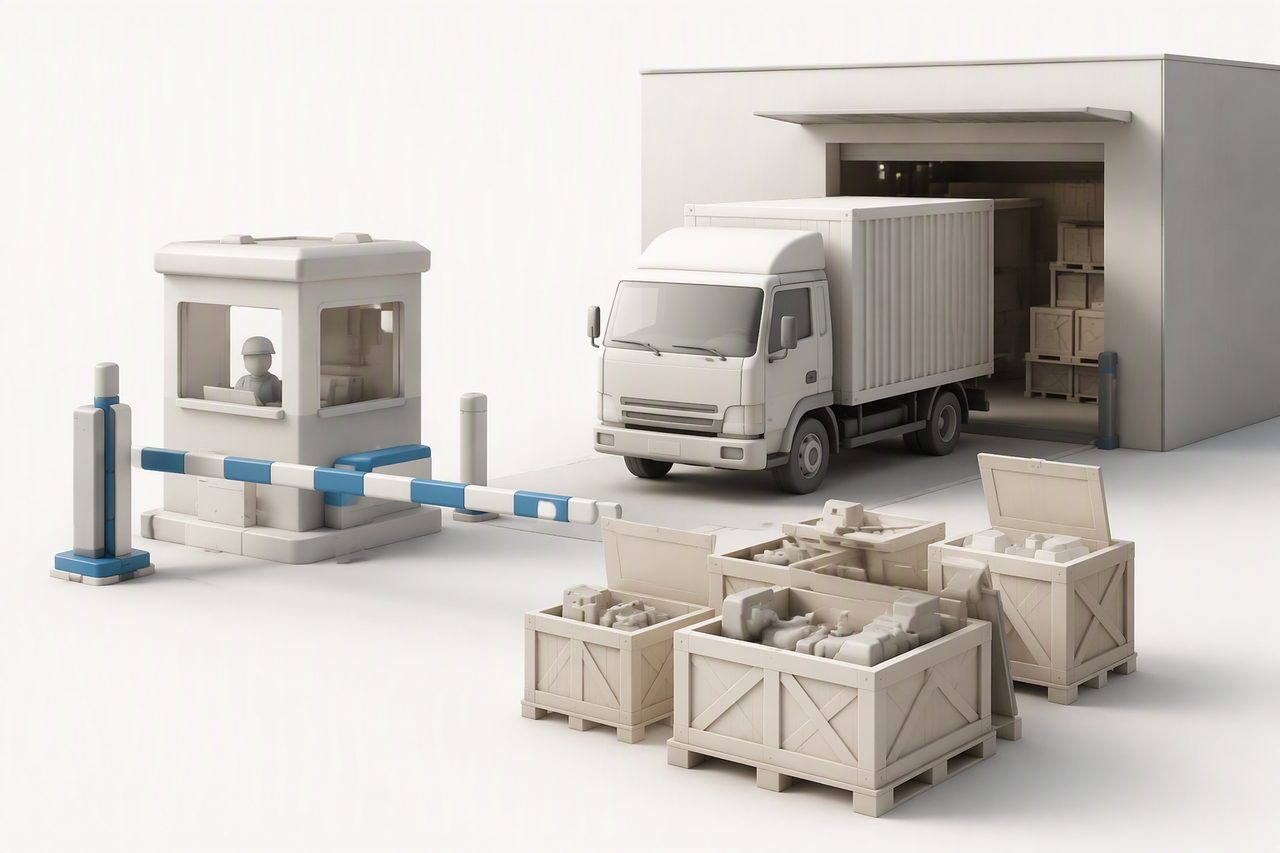
If the seller delivers to the door, do you still need to manage import clearance?
A common assumption: Under delivered terms such as DAP or DDP, the buyer does not need to be involved in import matters.
In practice: Delivery arrangements and import compliance preparation are separate matters. Even where the contract assigns some transport, import procedure or tax costs to the seller, you should confirm in advance who appears as the relevant party in import documents, who appoints the customs broker, who provides product information, and whether sector licences, product certifications, origin documents or other supporting materials may be needed.
For equipment and samples, consistency between the customs classification, stated use, technical specifications, serial numbers, packing list and commercial invoice description can also affect later discussions. Follow the latest requirements published by Sri Lanka Customs.
The cost of this misunderstanding: The goods have already been shipped, but importer details, authorisation documents or product information are still incomplete. This can lead to clearance delays, additional storage arrangements, or the supplier and buyer waiting on each other.
If the contract says the seller bears taxes, do you still need an import budget?
A common assumption: If the supplier quotation includes taxes, the buyer only needs to pay the contract total.
In practice: Commercial cost allocation in the contract should be reviewed separately from the import declaration, assessment of taxes and charges, payment route and document requirements. Ask the supplier, freight forwarder or customs broker to provide an itemised quotation based on the same shipment information: cargo value, international freight, insurance, destination-port services, customs clearance services, local delivery, and any items that may arise from product classification, declared value, inspection, storage or licensing requirements.
Some costs can be quoted in writing before booking freight or signing the contract. Others depend on final cargo information, port handling and requirements from the relevant authorities. Do not compare only the total amount. Check whether each quotation uses the same Incoterm, destination, goods description, quantity, transport method and list of exclusions.
The cost of this misunderstanding: A supplier quotation may appear lower simply because certain costs are excluded. Alternatively, the seller may bear a cost, but the payment, reimbursement or document-filing arrangement may not fit your company’s finance process.
What Incoterms information should you check before importing?
Before signing a purchase contract, paying a deposit or arranging shipment, use the following table for an internal review. The objective is not to select the “cheapest” term. It is to ensure that responsibilities, documents and budget items sit with people who can actually carry them out.
| Review item | What you should confirm | Documents to retain |
|---|---|---|
| Incoterm | Term used, applicable version, named delivery place or port | Purchase contract, pro forma invoice, purchase order |
| Transport arrangements | Who books freight, who handles main carriage and transshipment, who receives arrival notices | Booking confirmation, shipping instructions |
| Insurance arrangements | Scope of cover, insured party, documents required for a claim | Insurance certificate, policy summary |
| Import declaration | Relevant import party, customs broker authority, person providing product information | Authorisation documents, product specifications |
| Taxes and local charges | Which costs are included and which are settled separately | Itemised quotation, list of exclusions |
| Document consistency | Whether product description, quantity, value and consignee details match across invoices, packing lists and bills of lading or airway bills | Draft and final documents |
| Licences and product requirements | Whether the use, technical nature or sector classification of the goods requires additional confirmation | Licence checklist, professional advice |
| Receipt after arrival | Who follows up cargo release, storage, local transport and goods acceptance | Arrival handling checklist, receiving records |
If this is your first import, have the supplier quotation, draft purchase contract and cargo list reviewed together by the same internal team and your appointed professional advisers. Incoterms address the division of responsibilities in a sale transaction; they do not replace confirmation of import eligibility, product entry requirements, customs declarations or tax treatment.
This content is for general information only and does not constitute legal, tax or immigration advice. Specific requirements should be confirmed against the latest guidance from Sri Lankan authorities and appointed licensed professionals.
FAQ
- For a first import into Sri Lanka, should I choose FOB, CIF or DDP?
- There is no single answer that suits every shipment. Compare who can control transport, insurance, clearance documents and destination-port operations, and confirm whether the relevant import party is ready. Before choosing, ask suppliers for itemised quotations prepared using the same cargo information.
- What do I still need to prepare after receiving a CIF Colombo quotation?
- You should still confirm the import declaration arrangement, customs broker authority, product information, responsibility for cargo release and destination-port local charges. Also check that the goods description, quantity and consignee details match across the commercial invoice, packing list and transport documents.
- Does a DDP quotation mean the seller will handle all import taxes and clearance issues?
- DDP is a contractual allocation of responsibilities, but you should still confirm the import party, declaration documents, product requirements, payment route for charges and customs broker arrangements before shipment. Do not rely only on a supplier’s verbal statement that responsibilities have been addressed.
- How can I tell whether suppliers' Incoterms quotations are comparable?
- Ask each supplier to state the Incoterm, named place, transport method, insurance arrangement, included items and excluded items. Compare quotations using the same assumptions for goods description, quantity, packaging, value and delivery timing. Similar total prices do not necessarily mean the actual import costs will be the same.
Related reading


Need this applied to your case?
Tell us your team size, industry and timeline — we will map the actual path for your project.
Contact us