Customs
Sri Lanka Temporary Importation vs Formal Clearance
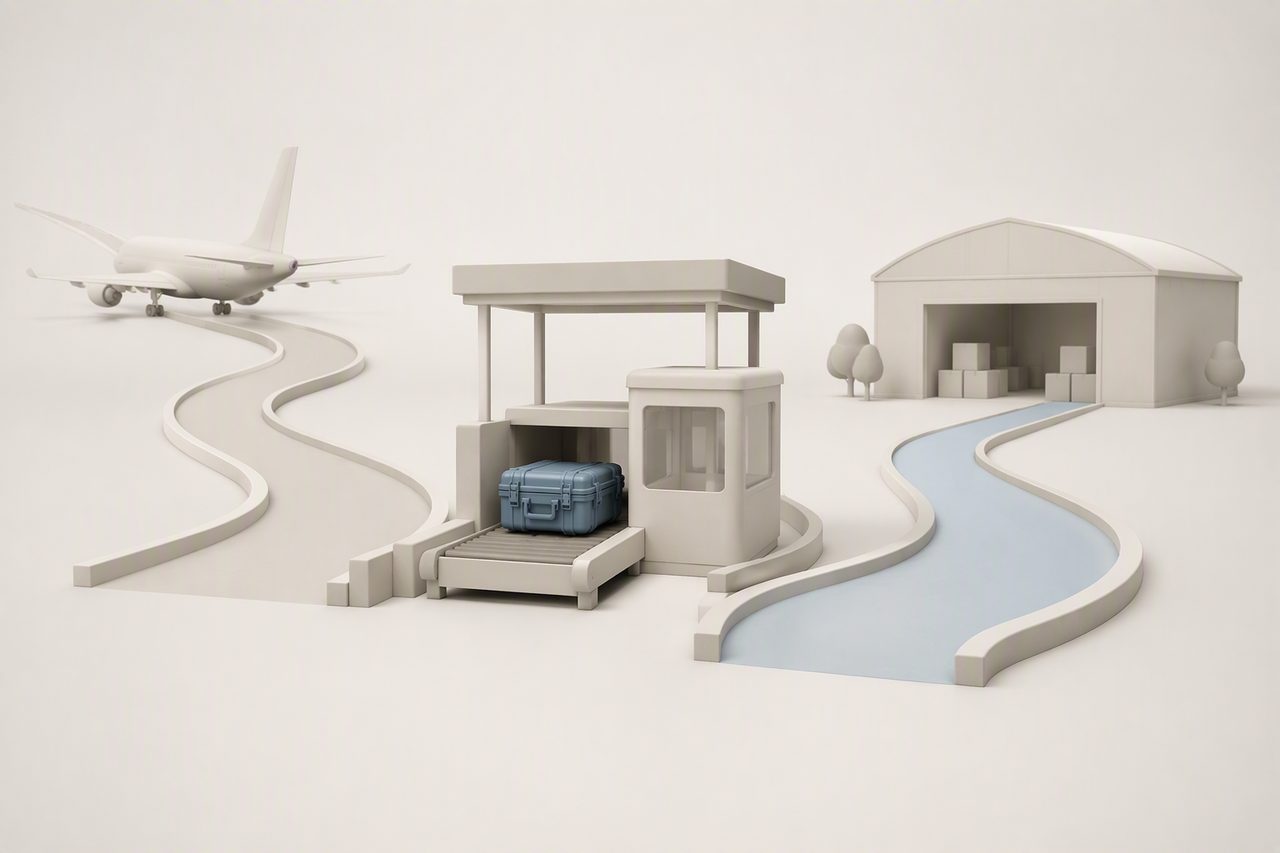
Commercial samples and demonstration equipment do not automatically fall under the same import arrangement simply because they will not be sold. Before shipment, businesses should confirm whether the goods will remain in Sri Lanka, whether they are intended for re-export, and whether the importer, end user and transport documents can be kept consistent.
For businesses testing the market, attending an exhibition, training customers or demonstrating equipment, the key step is not to label goods as “samples” first. It is to clearly define their purpose, movement and project owner. Where this information is incomplete, goods may arrive with inconsistent declarations, difficult follow-up explanations, unplanned storage issues or disruption to the project schedule.
Start with the Goods’ Final Destination
As a practical starting point, businesses can place intended imports into two categories. The first includes goods expected to remain in Sri Lanka for use, consumption, gifting, sale or transfer to local customers. The second includes goods intended to be re-exported after a defined project period. For the first category, businesses will usually need to assess formal import clearance and subsequent local handling arrangements. For the second, they should consider whether a temporary import route may be suitable for exhibitions, demonstrations, testing or short-term use.
This is a project assessment framework only. It is not a customs classification or an approval outcome. The import declaration method, any security or guarantee arrangements, permitted period of stay, re-export obligations and document formats should be confirmed by the importer with Sri Lanka Customs, the carrier and the appointed customs professional before shipment.
| Assessment question | Circumstances that may point towards formal clearance | Circumstances that may point towards temporary import assessment |
|---|---|---|
| Final destination of the goods | Goods will remain locally for use, sale, gifting or consumption | Goods are intended for re-export after display, demonstration or testing |
| Condition of the goods | Goods may be split, installed, modified, consumed or transferred | Goods remain identifiable and can be arranged for return shipment |
| Place of use | Customer premises, warehouse, retail outlet or long-term project location | Exhibition venue, short-term event site, demonstration location or test site |
| Timing | No defined re-export plan | Clear event dates and a person responsible for re-export |
| Commercial documents | Related to local sale, delivery or long-term use | Related to loan, display, short-term use and re-export |
Do Not Decide Based Only on the Labels “Sample” or “Equipment”
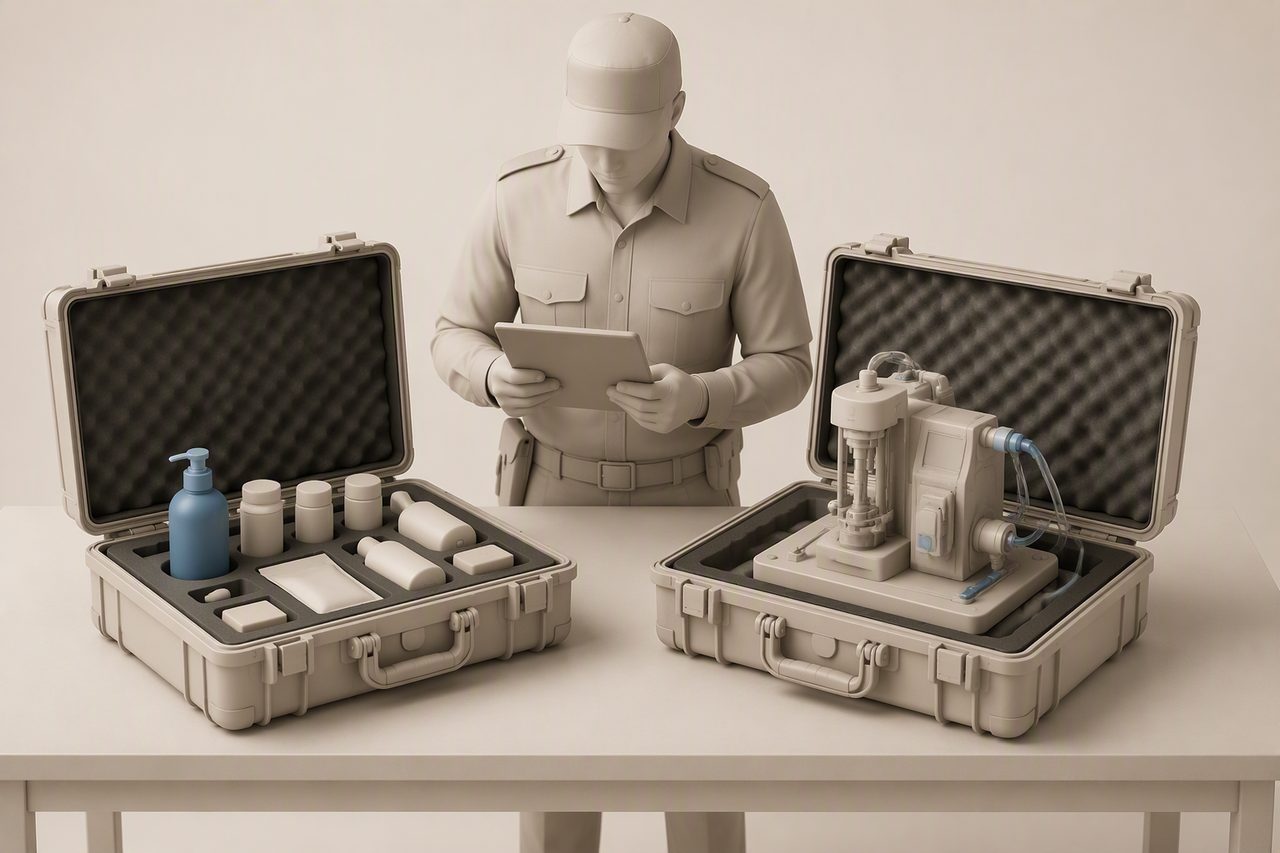
A “commercial sample” may be a single display item, a product for customer trials, consumable material or an item that will be left with a potential buyer after an event. “Demonstration equipment” may be a display unit that can be re-exported, machinery requiring installation and commissioning, or production and office equipment that will ultimately remain locally. The same label can describe very different uses, and the required documentation will differ accordingly.
Businesses should prepare a one-page purpose statement for each shipment, covering at least:
- Product name, model, quantity, serial number or other identifying information;
- Intended purpose, such as exhibition display, customer demonstration, internal testing, training or sale;
- Place and period of use;
- Ownership of the goods and the actual local user;
- The intended arrangement after the activity, including re-export, local retention, sale, gifting or disposal;
- The person responsible for customs clearance, on-site custody and subsequent handling; and
- Invoices, packing lists, transport documents and product materials that match the goods.
Where a shipment contains goods for different purposes—for example, exhibition items to be re-exported and trial units intended to remain locally—businesses should consider separating the goods, packaging and documents by intended use. Combining goods with different final destinations under one set of documents can make on-site explanations and subsequent management more difficult.
When Considering Temporary Importation, Focus on Whether Re-export Is Practical
Where a temporary import approach is being considered, businesses should first test whether the re-export arrangement can realistically be carried out, rather than looking only at the exhibition or demonstration dates. The project team should confirm whether the goods will remain identifiable after use, whether they may be consumed, whether they will be mixed with locally used equipment, and whether a workable return transport plan is in place.
The following situations require particular attention:
Equipment Requires Installation or Connection to On-site Systems
Once equipment is installed, commissioned or connected to a customer’s systems, issues may arise around dismantling, restoration, allocation of responsibilities and the conditions for re-export. Before the project begins, businesses should clarify whether the equipment will be modified, whether replacement parts may be generated, and who will be responsible for dismantling, packing and handover at the end of the activity.
Samples Will Be Tested, Distributed or Consumed
Food, cosmetics, chemicals, medical-related items, components, trial packs and promotional gifts may be consumed, split or handed to third parties during a demonstration. For these items, businesses should not rely solely on the assumption that they will be taken back later. They should accurately describe the intended use and confirm the applicable import, product control and disposal requirements.
The Goods Are Regulated Products or Have Special Characteristics
Even in small quantities, certain products may involve sector access, product standards, health, safety, telecommunications, environmental or other regulatory matters. A temporary-use arrangement does not automatically replace product-level or sector-level requirements. Businesses should review both the nature of the goods and the intended use scenario, rather than focusing only on the customs declaration route.
Complete a Four-Party Check Before Shipment
For a project entering Sri Lanka for the first time, it is advisable for the overseas sender, local recipient, logistics or customs service provider, and exhibition organiser or customer site representative to review the arrangement together. Each party holds different information, and the absence of any one party may result in inconsistencies between documents and actual site conditions.
| Party | Key points to confirm |
|---|---|
| Overseas sender | Purpose of the goods, value explanation, serial numbers, packing method and re-export plan |
| Local recipient | Whether it can receive, store, use and subsequently handle the goods |
| Logistics or customs service provider | Documents required for declaration, port arrival sequence and matters requiring advance explanation |
| Exhibition organiser or customer | Entry dates, site rules, equipment connection conditions, move-out and return arrangements |
The same purpose statement should be reflected consistently in the commercial invoice, packing list, shipping instructions, event documents and internal project register. Where there are material differences in the value, quantity, model, sender or recipient names, or purpose description, follow-up communication costs will usually increase.
Build Potential Changes into the Project Plan
During project delivery, equipment originally intended for re-export may be requested for purchase by a customer. Samples intended only for display may also need to remain in Sri Lanka for further testing. In these circumstances, businesses should not proceed under the original arrangement without review. They should first confirm whether subsequent declarations, disposal arrangements or related documents need to be adjusted.
Project owners should maintain a change-trigger checklist: whether goods are transferred, retained locally, damaged, consumed, moved to another location, used for a longer activity period, or cannot be re-exported as originally planned. If any such change occurs, the business should promptly confirm the follow-up approach with Customs and the appointed customs professional, while retaining communication records and an updated goods list.
Prepare a Goods Route Map, Not Just One Set of Documents
For businesses, choosing between formal clearance and temporary importation is not simply a logistics decision. It is a coordination issue involving the purpose of the goods, local activities, product regulation, financial treatment and project exit arrangements. Preparing a goods route map before shipment can help the team identify which items are intended for long-term local use, which are for display only, and which may require separate regulatory review.
MMD Business Support can assist businesses in mapping the purpose of goods, project milestones and local communication matters, and in coordinating document checklists and local resource connections. Specific customs declaration, regulatory requirements and professional filing work should be handled by appropriately qualified professional institutions based on the actual goods and project circumstances.
References and Review
Businesses may obtain current requirements through Sri Lanka Customs and the relevant authorities responsible for the nature of the goods, and should confirm declaration arrangements with their appointed customs professional. Projects involving company establishment, warehousing and distribution planning may also be considered alongside the published article, “How Cross-Border Trading Businesses Can Review Import, Warehousing and Distribution Permissions Before Setting Up a Local Company.”
This content is provided for general information only and does not constitute legal, tax or immigration advice. Specific requirements should be based on the latest guidance from the relevant Sri Lankan authorities and appointed licensed professionals.
FAQ
- If commercial samples will not be sold, can they be handled as a temporary import?
- Not necessarily. Whether the goods will be sold is only one factor. Businesses should also consider whether the samples will remain in Sri Lanka, be consumed or distributed, remain identifiable and capable of re-export, and whether other product regulatory requirements apply. Confirmation with Customs and the appointed customs professional is recommended before shipment.
- What information should be prepared if exhibition equipment will be returned overseas after the event?
- Businesses should prepare the equipment purpose, model, serial numbers, quantity, value explanation, exhibition time and location, local recipient, custodian and intended re-export arrangement. They should also confirm venue move-in and move-out rules, transport connections, and whether the equipment requires installation or dismantling.
- Can display equipment and trial samples intended as customer gifts be included in the same shipment?
- A logistics and customs professional can first assess whether separate declarations, packaging or documents would be more suitable. Since the two categories have different final destinations, combining them under one purpose statement may increase the difficulty of later explanation and management.
- If a customer decides to buy equipment originally used for demonstration, can it simply remain in Sri Lanka?
- It is not advisable to dispose of the goods directly under the original arrangement. When goods move from a demonstration and re-export arrangement to local retention or sale, subsequent declarations, documents and related compliance arrangements may need to be adjusted. The appropriate route should first be confirmed with Customs and the appointed customs professional.
Related reading

Need this applied to your case?
Tell us your team size, industry and timeline — we will map the actual path for your project.
Contact us